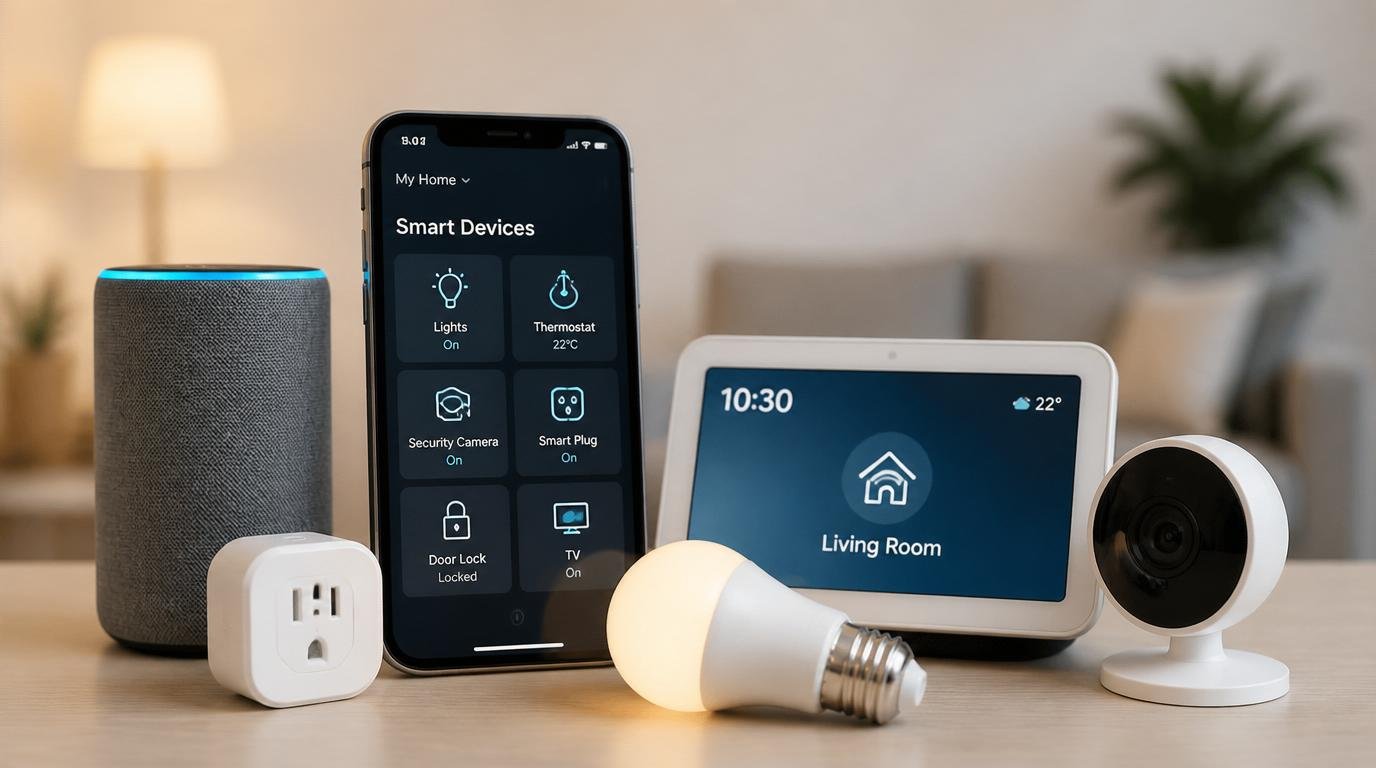
Smart Devices: The Complete Guide to Intelligent Technology. Smart Devices Explained: Types, Features, Benefits & Future Trends
Smart devices have transformed from simple electronic gadgets into intelligent, connected systems capable of learning, automating, communicating, and improving daily life. From smart homes and wearable health trackers to AI-powered appliances and connected cars, smart technology is becoming the backbone of modern living.
The rise of the Internet of Things (IoT), Artificial Intelligence (AI), cloud computing, edge computing, 5G, sensors, and automation technologies has accelerated the growth of smart devices worldwide.
What Are Smart Devices?
A smart device is an electronic device connected to the internet or other networks that can:
- Collect data
- Analyze information
- Communicate with other devices
- Automate tasks
- Be remotely controlled
- Learn user behavior using AI
Smart devices combine hardware, software, connectivity, sensors, and cloud intelligence into a single ecosystem.
Examples include:
- Smart TVs
- Smartwatches
- Smart speakers
- Smart refrigerators
- Smart security cameras
- Smart lighting systems
- Smart thermostats
- Smart cars
- Smart fitness bands
- Smart rings
- Smart locks
Core Technologies Behind Smart Devices
1. Internet of Things (IoT)
IoT is the foundation of smart devices. It allows devices to communicate over the internet and exchange data in real time.
How IoT Works
- Sensors collect data
- Data is transmitted via Wi-Fi/Bluetooth/5G
- Cloud servers process information
- AI algorithms analyze patterns
- Device responds automatically
Example:
A smart thermostat learns your preferred temperature and adjusts automatically.
2. Artificial Intelligence (AI)
AI enables devices to:
- Recognize voice
- Detect behavior patterns
- Predict user needs
- Automate routines
- Improve performance over time
Modern smart devices increasingly use on-device AI processing for faster and more private operations.
3. Sensors
Sensors are the “eyes and ears” of smart devices.
Common Sensors
| Sensor Type | Purpose |
|---|---|
| Motion Sensor | Detect movement |
| Temperature Sensor | Measure heat/cold |
| Accelerometer | Track motion/orientation |
| Heart Rate Sensor | Monitor pulse |
| Camera Sensor | Capture images/videos |
| Humidity Sensor | Detect moisture |
| Light Sensor | Adjust brightness |
| GPS Sensor | Track location |
4. Connectivity Technologies
Smart devices rely on:
- Wi-Fi
- Bluetooth
- Zigbee
- NFC
- Matter Protocol
- 5G
- Thread
The Matter smart home standard is improving compatibility between devices and brands.
Major Categories of Smart Devices
1. Smart Home Devices
Smart home devices automate and improve home living.
Popular Smart Home Devices
Smart Speakers
Examples:
- Amazon Echo
- Google Nest Audio
- Apple HomePod
Features
- Voice assistant integration
- Music playback
- Smart home control
- Weather updates
- AI conversations
- Smart routines
Smart Lighting
Examples:
- Philips Hue
- Nanoleaf
Features:
- Remote control
- Color customization
- Motion automation
- Energy efficiency
- Voice control
AI-integrated smart lighting systems continue expanding into wellness and adaptive environments.
Smart Security Systems
Examples:
- Ring
- Arlo
Features:
- Motion detection
- Facial recognition
- Live monitoring
- Smart alerts
- Cloud recording
- AI object detection
Smart Thermostats
Examples:
- Google Nest Thermostat
- Ecobee SmartThermostat
Benefits:
- Lower electricity bills
- Automated climate control
- Learning user habits
- Energy optimization
Smart Appliances
Examples:
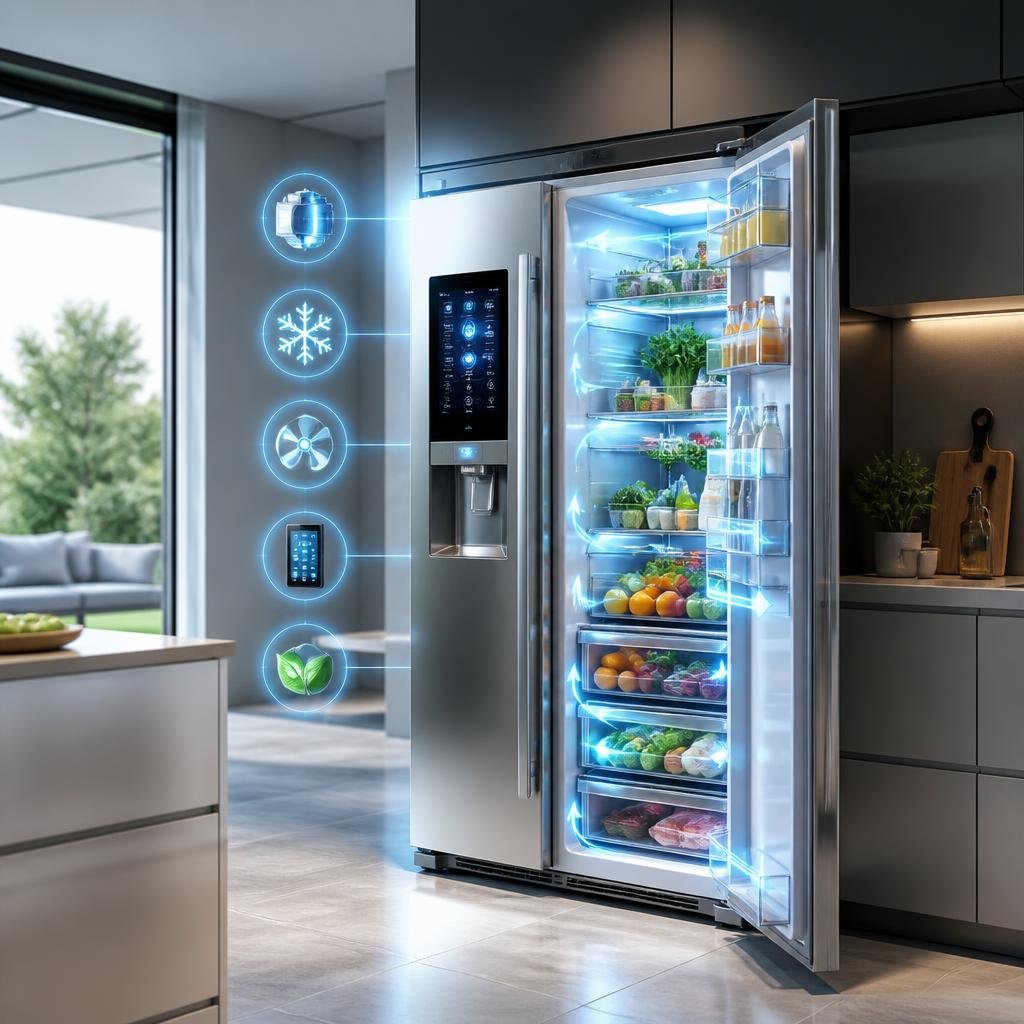
- Smart refrigerators
- Smart ovens
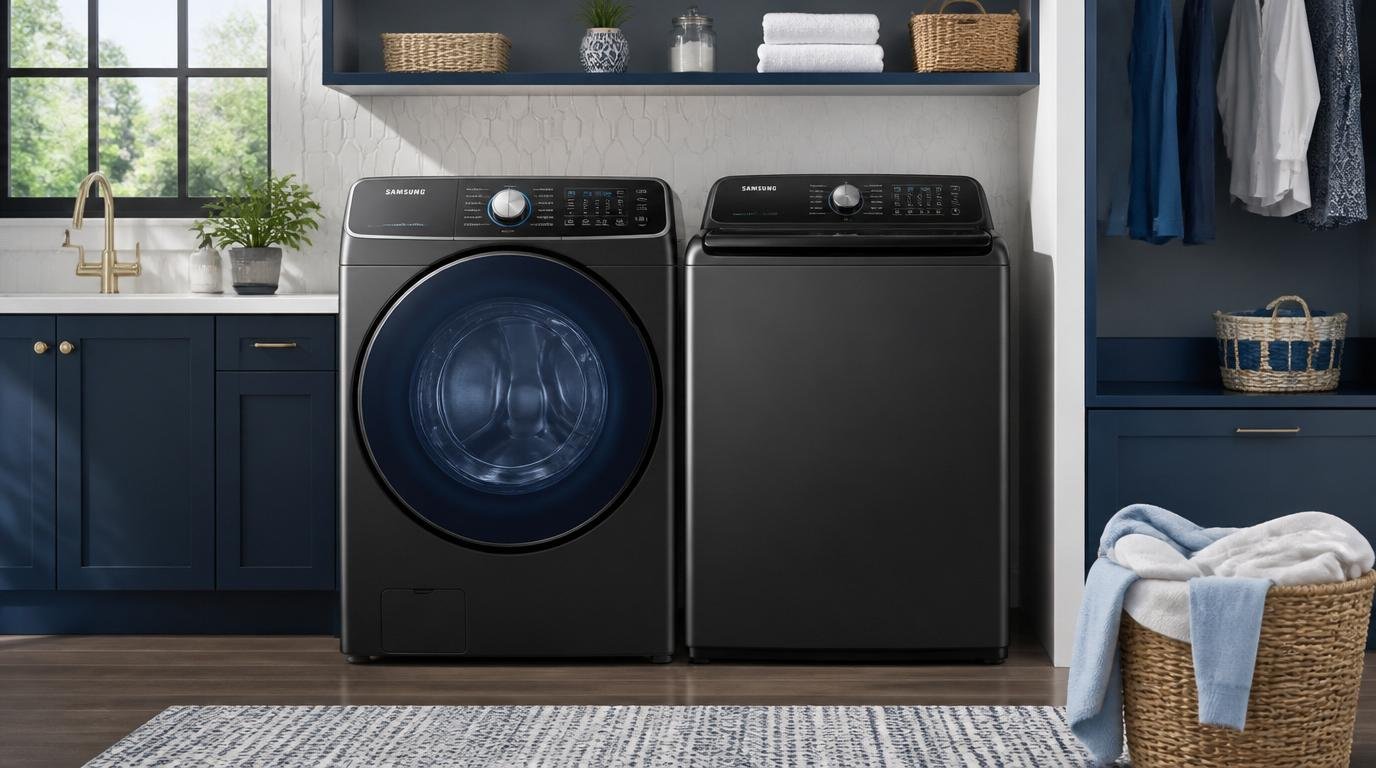
- Smart washing machines
- Smart dishwashers
Features:
- Remote monitoring
- AI cooking suggestions
- Inventory tracking
- Energy monitoring
- Predictive maintenance
AI-powered refrigerators and kitchen systems are becoming more advanced with automation and contextual intelligence.
2. Wearable Smart Devices
Wearables are among the fastest-growing smart device categories globally.
Smartwatches
Examples:
- Apple Watch Ultra
- Samsung Galaxy Watch
- Google Pixel Watch
Features
- Heart rate monitoring
- ECG tracking
- GPS navigation
- Sleep monitoring
- Fitness tracking
- Smartphone notifications
- AI coaching
Fitness Bands
Examples:
- Fitbit
- Xiaomi Mi Band
Modern fitness bands now focus on passive health tracking and lightweight wearability.
Smart Rings
Examples:
- Oura Ring
- Samsung Galaxy Ring
Capabilities
- Sleep tracking
- Stress monitoring
- Temperature sensing
- Health analytics
- AI-based wellness insights
Smart rings are gaining popularity due to comfort and continuous biometric tracking.
Smart Glasses
Examples:
- Ray-Ban Meta Smart Glasses
Features
- AR overlays
- Voice assistants
- Camera integration
- Real-time translation
- Navigation assistance
Smart glasses are expected to become a major wearable category in coming years.
3. Smart Entertainment Devices
Smart TVs
Examples:
- Samsung
- LG
- Sony
Features
- Streaming apps
- AI upscaling
- Voice search
- Personalized recommendations
- Smart home integration
Streaming Devices
Examples:
- Amazon Fire TV Stick
- Google Chromecast
- Apple TV 4K
Smart Gaming Devices
Examples:
- PlayStation 5
- Xbox Series X
Features:
- AI graphics optimization
- Cloud gaming
- Motion sensing
- VR compatibility
4. Smart Health Devices
Healthcare technology is becoming one of the most important smart device sectors.
Examples
- Smart blood pressure monitors
- Smart glucose monitors
- AI diagnostic devices
- Remote patient monitoring systems
- Smart inhalers
- Smart thermometers
Benefits
- Early disease detection
- Remote healthcare
- Real-time monitoring
- Preventive care
- AI-driven health insights
AI wellness and connected health devices are rapidly expanding worldwide.
5. Smart Vehicles
Modern vehicles are becoming intelligent computing platforms.
Features
- Autonomous driving assistance
- Smart navigation
- Voice assistants
- Real-time diagnostics
- Connected entertainment
- Driver monitoring systems
Examples:
- Tesla vehicles
- BYD smart EV systems
6. Smart Office Devices
Examples:
- Smart printers
- AI meeting assistants
- Smart projectors
- Smart displays
- Video conferencing systems
Benefits
- Productivity automation
- Remote collaboration
- AI transcription
- Smart scheduling
7. Smart Industrial Devices
Known as Industrial IoT (IIoT).
Applications:
- Smart factories
- Robotics
- Predictive maintenance
- Automated warehouses
- Smart logistics
AI and IoT integration is creating autonomous industrial systems.
Key Features of Smart Devices
Automation
Devices perform tasks automatically based on conditions and routines.
Example:
Lights turning off automatically when no one is present.
Remote Access
Users can control devices from smartphones anywhere in the world.
AI Learning
Devices learn:
- User preferences
- Habits
- Usage patterns
Voice Control
Smart assistants enable hands-free interaction.
Examples:
- Amazon Alexa
- Google Assistant
- Apple Siri
Energy Efficiency
Smart devices optimize power consumption automatically.
Real-Time Monitoring
Continuous tracking of:
- Health
- Security
- Energy
- Environment
- Performance
Benefits of Smart Devices
Convenience
Automation reduces manual effort.
Improved Security
AI-powered surveillance improves home and business safety.
Better Health Monitoring
Wearables provide continuous wellness tracking.
Energy Savings
Smart systems reduce unnecessary electricity usage.
Increased Productivity
Smart offices and AI tools automate repetitive work.
Accessibility
Voice assistants help elderly and disabled users interact with technology more easily.
Challenges and Risks
1. Privacy Concerns
Smart devices collect massive amounts of personal data.
Examples:
- Voice recordings
- Location data
- Health information
- Usage habits
2. Cybersecurity Threats
Risks include:
- Device hacking
- Data theft
- Botnet attacks
- Surveillance abuse
3. Compatibility Issues
Different brands sometimes fail to work together.
The Matter standard is helping solve interoperability challenges.
4. High Initial Cost
Advanced smart ecosystems can be expensive.
5. Internet Dependency
Many smart devices require stable internet connections.
Future of Smart Devices
The future of smart devices is moving toward fully connected intelligent ecosystems.
Major Future Trends
AI Everywhere
AI is becoming embedded into all electronics and operating silently in the background.
Edge AI
Processing occurs directly on devices instead of cloud servers.
Benefits:
- Faster response
- Better privacy
- Lower latency
AIoT (AI + IoT)
AI-powered connected devices will become autonomous decision-making systems.
Smart Robots
Household robots and AI companions are rapidly evolving.
Smart Cities
Connected infrastructure will optimize:
- Traffic
- Energy
- Waste management
- Public safety
Health-Focused Technology
Future devices will predict illness earlier using biometric AI analysis.
Sustainable Smart Tech
Energy-efficient smart ecosystems are becoming a major industry focus.
Most Popular Smart Device Brands
| Category | Leading Brands |
|---|---|
| Smartphones | Apple, Samsung |
| Smart Home | Amazon, Google |
| Wearables | Garmin, Fitbit |
| Smart Appliances | LG, Whirlpool Corporation |
| Smart Security | Ring, Arlo Technologies |
Conclusion
Smart devices are reshaping how people live, work, travel, communicate, and manage health. What began as connected gadgets has evolved into intelligent ecosystems powered by AI, IoT, cloud computing, and automation.
From smart homes and wearable health trackers to autonomous vehicles and industrial robotics, smart technology is becoming more intelligent, more integrated, and more predictive every year.
The future of smart devices will focus on:
- AI-driven automation
- Real-time intelligence
- Human-centric design
- Better energy efficiency
- Stronger security
- Seamless interoperability
- Predictive healthcare
- Autonomous ecosystems
As smart technology continues advancing, connected devices will increasingly become invisible digital assistants embedded naturally into everyday life.