Scooters: Types, Working Technology & Complete Buying Guide
Scooters have become one of the most popular modes of personal transportation across cities and towns worldwide. From daily commuting and college rides to food delivery and eco-friendly travel, scooters offer convenience, affordability, and ease of use. With modern advancements in technology, today’s scooters are smarter, safer, and more fuel-efficient than ever before.
Whether you are planning to buy your first scooter or simply want to understand how scooters work, this detailed guide covers everything you need to know.
What Is a Scooter?
A scooter is a two-wheeled vehicle designed for comfortable urban travel. Unlike motorcycles, scooters usually feature:
- A step-through frame
- Automatic transmission
- Smaller wheels
- Comfortable seating
- Under-seat storage
Scooters are easy to ride, beginner-friendly, and ideal for short to medium-distance commuting.
Types of Scooters
Different types of scooters are designed for different needs and lifestyles. Understanding these categories helps buyers choose the right model.
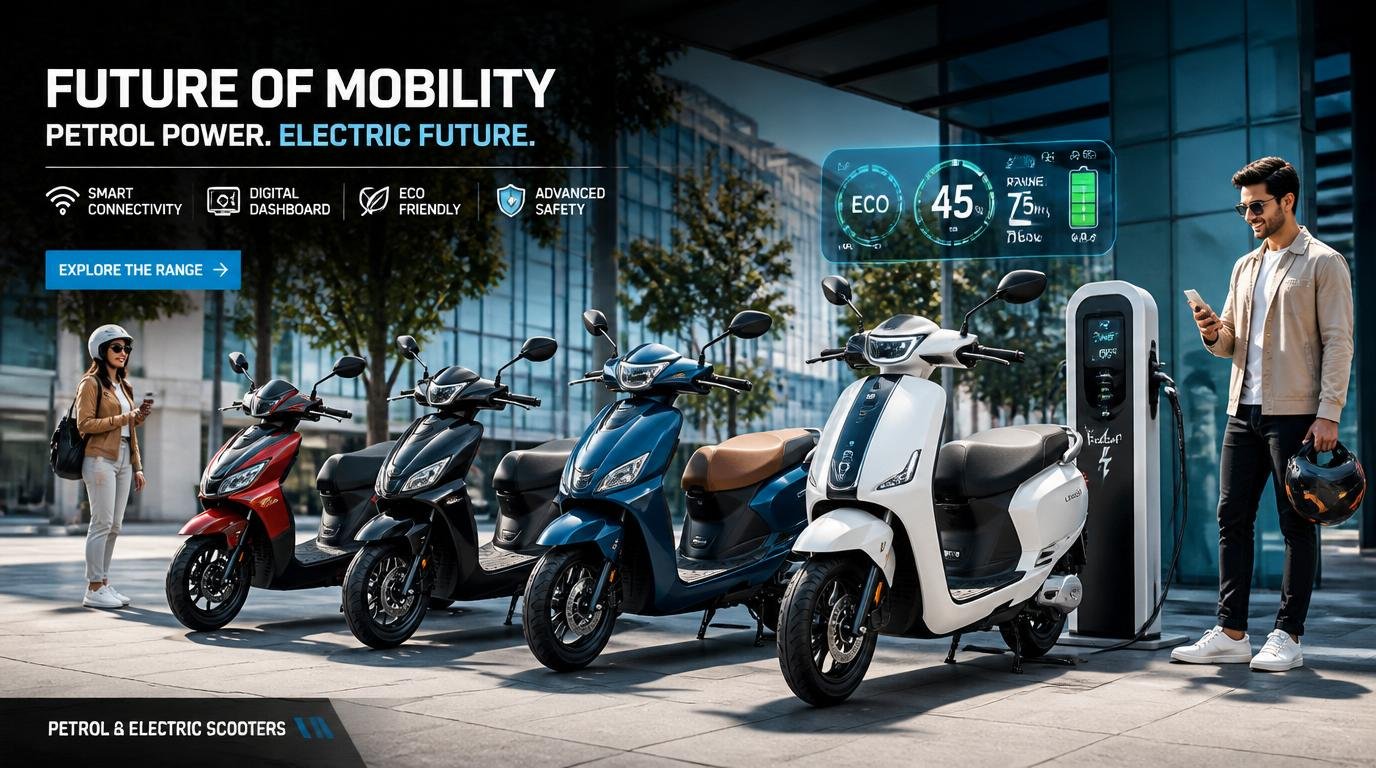
1. Petrol Scooters
Petrol scooters use internal combustion engines powered by gasoline.
Features
- Fast refueling
- Long riding range
- Widely available service centers
- Good performance for daily commuting
Best For
- Long-distance city riders
- Areas with limited EV charging infrastructure
- Budget-conscious buyers
Popular Examples
- Honda Activa
- TVS Jupiter
- Suzuki Access
- Yamaha Fascino
2. Electric Scooters
Electric scooters run on rechargeable battery systems and electric motors.
Features
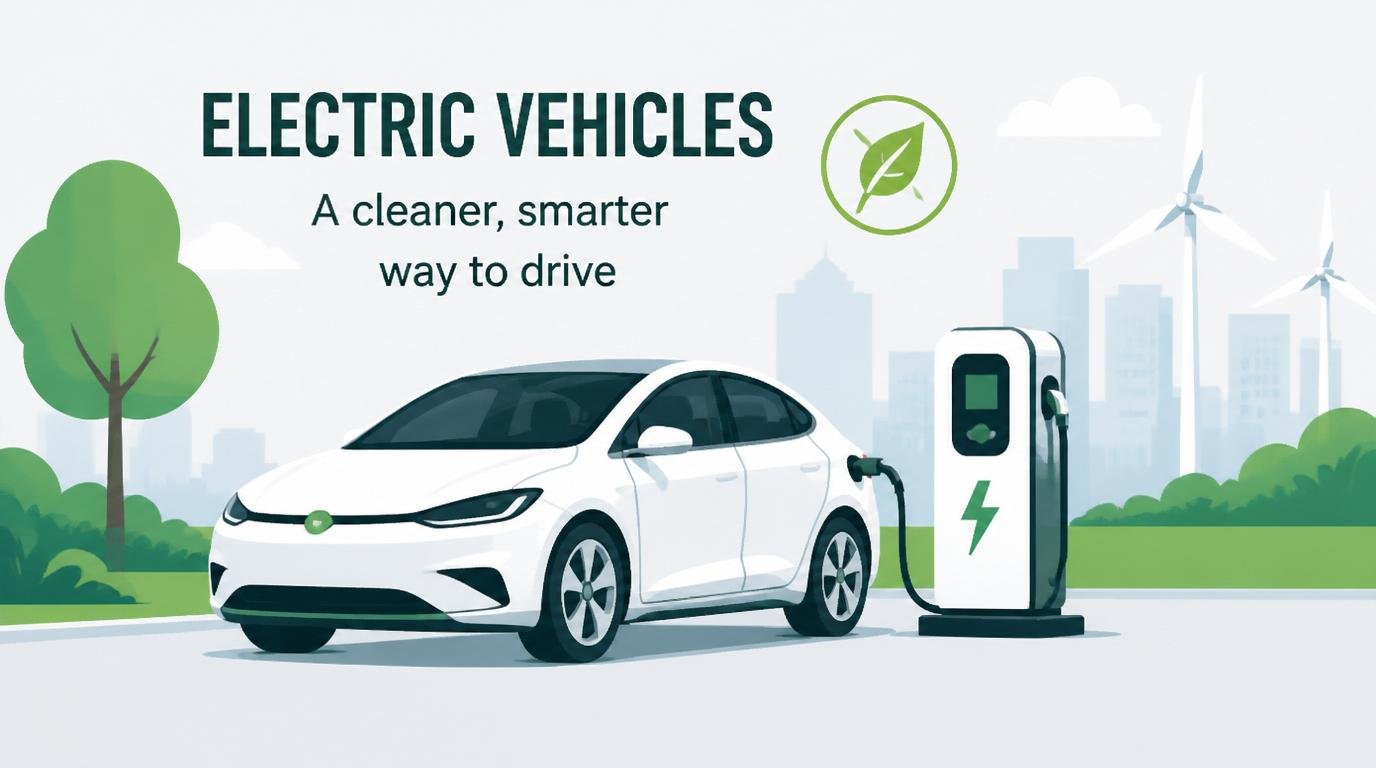
- Zero tailpipe emissions
- Low running cost
- Quiet operation
- Instant torque delivery
Best For
- Eco-conscious riders
- Urban commuting
- Daily short-distance travel
Advantages
- No petrol expenses
- Lower maintenance
- Government EV incentives in many countries
Limitations
- Charging time
- Battery replacement cost
- Limited range in some models
3. Hybrid Scooters
Hybrid scooters combine fuel engines with electric technology to improve efficiency.
Features
- Better fuel economy
- Reduced emissions
- Improved acceleration
These are less common but are becoming more popular with technological advancements.
4. Maxi Scooters
Maxi scooters are larger and more powerful than regular scooters.
Features
- Bigger engines
- Highway capability
- Larger storage capacity
- Premium comfort
Best For
- Long-distance travel
- Touring
- Riders seeking motorcycle-like performance with scooter comfort
5. Folding & Kick Scooters
These lightweight scooters are mostly used for short-distance mobility and recreation.
Types
- Manual kick scooters
- Electric folding scooters
Best For
- Students
- Last-mile commuting
- Urban transportation
How Scooters Work: Understanding the Technology
Modern scooters use a combination of mechanical and electronic systems for smooth performance.
Main Components of a Scooter
1. Engine or Electric Motor
Petrol Scooters
They use a combustion engine where fuel burns inside the cylinder to generate power.
Electric Scooters
They use an electric motor powered by a rechargeable lithium-ion battery.
2. Transmission System
Most scooters use a CVT (Continuously Variable Transmission).
Benefits of CVT
- No manual gear shifting
- Smooth acceleration
- Beginner-friendly riding experience
3. Battery Technology in Electric Scooters
Modern electric scooters mainly use:
- Lithium-ion batteries
- Removable battery packs
- Smart battery management systems
Battery Management System (BMS)
The BMS controls:
- Temperature
- Charging cycles
- Power distribution
- Battery safety
4. Smart Features & Connectivity
Many modern scooters include advanced technology such as:
- Digital instrument clusters
- Bluetooth connectivity
- Navigation support
- Smartphone apps
- Anti-theft systems
- GPS tracking
5. Braking Systems
Scooters generally use:
Drum Brakes
- Affordable
- Suitable for regular city riding
Disc Brakes
- Better stopping power
- Improved safety at high speeds
CBS & ABS Technology
CBS (Combined Braking System)
Distributes braking force between wheels.
ABS (Anti-lock Braking System)
Prevents wheel locking during sudden braking.
These technologies improve rider safety significantly.
Advantages of Scooters
Scooters continue to grow in popularity because of their practical benefits.
Fuel Efficiency
Most scooters deliver excellent mileage, reducing daily transportation costs.
Easy Handling
Their lightweight design makes them ideal for beginners and city traffic.
Affordable Maintenance
Scooters generally cost less to maintain than motorcycles or cars.
Comfortable Riding
Automatic transmission and ergonomic seating improve comfort.
Storage Space
Many scooters include under-seat storage for helmets, groceries, and personal items.
Petrol vs Electric Scooters
| Feature | Petrol Scooter | Electric Scooter |
|---|---|---|
| Fuel Cost | Higher | Very Low |
| Maintenance | Moderate | Low |
| Charging/Fueling | Quick Refuel | Charging Required |
| Pollution | Produces Emissions | Eco-Friendly |
| Noise | Louder | Silent |
| Long-Distance Suitability | Better | Depends on Battery Range |
Complete Scooter Buying Guide
Buying a scooter requires careful consideration of your daily needs, budget, and riding conditions.
1. Define Your Purpose
Ask yourself:
- Daily office commute?
- College travel?
- Delivery work?
- Long-distance rides?
- Family usage?
Your purpose determines the ideal scooter category.
2. Check Mileage or Battery Range
For Petrol Scooters
Look for good fuel efficiency.
For Electric Scooters
Check:
- Real-world battery range
- Charging speed
- Battery warranty
3. Evaluate Engine or Motor Power
Lower Power Scooters
Suitable for:
- City commuting
- Beginners
High-Power Scooters
Suitable for:
- Highway riding
- Heavy riders
- Long-distance travel
4. Comfort Matters
Before purchasing:
- Test ride the scooter
- Check seat comfort
- Evaluate suspension quality
- Ensure proper legroom
Comfort becomes extremely important for daily riders.
5. Look for Safety Features
Essential safety features include:
- Disc brakes
- ABS or CBS
- Tubeless tyres
- LED headlights
- Good suspension system
6. Maintenance & Service Network
Always check:
- Nearby service centers
- Spare parts availability
- Maintenance costs
- Warranty coverage
A strong service network saves time and money.
7. Storage Capacity
If you frequently carry bags, groceries, or helmets, choose a scooter with:
- Large under-seat storage
- External hooks
- Rear carrier support
8. Smart Features
Modern buyers often prefer scooters with:
- Navigation
- Bluetooth
- USB charging
- Mobile app connectivity
- Digital dashboard
These features improve convenience and user experience.
9. Compare Running Costs
Calculate:
- Fuel or electricity expenses
- Insurance cost
- Maintenance charges
- Battery replacement cost (for EVs)
Long-term ownership cost is more important than just showroom price.
10. Read User Reviews
Before finalizing your purchase:
- Read customer reviews
- Watch ownership experiences
- Compare reliability reports
Real-world feedback helps avoid poor choices.
Best Scooter for Different Users
Students
- Lightweight
- Affordable
- High mileage
Office Commuters
- Comfortable seat
- Good storage
- Fuel efficient
Families
- Spacious seating
- Reliable engine
- Strong suspension
Delivery Riders
- Durable build
- Low running cost
- Large storage options
Eco-Conscious Buyers
- Electric scooters
- Fast charging support
- Long battery life
Future of Scooters
The scooter industry is rapidly evolving with innovations like:
- AI-powered smart dashboards
- Connected vehicle technology
- Swappable batteries
- Faster charging systems
- Autonomous safety features
- Advanced regenerative braking
Electric mobility is expected to dominate the future scooter market as governments encourage sustainable transportation.
Final Thoughts
Scooters have transformed modern commuting by offering affordability, convenience, and efficient urban mobility. Whether you choose a petrol scooter for longer range or an electric scooter for eco-friendly travel, selecting the right model depends on your lifestyle, budget, and daily requirements.
Before purchasing, always compare features, test ride multiple models, and evaluate long-term ownership costs. A well-chosen scooter can provide years of reliable and economical transportation.