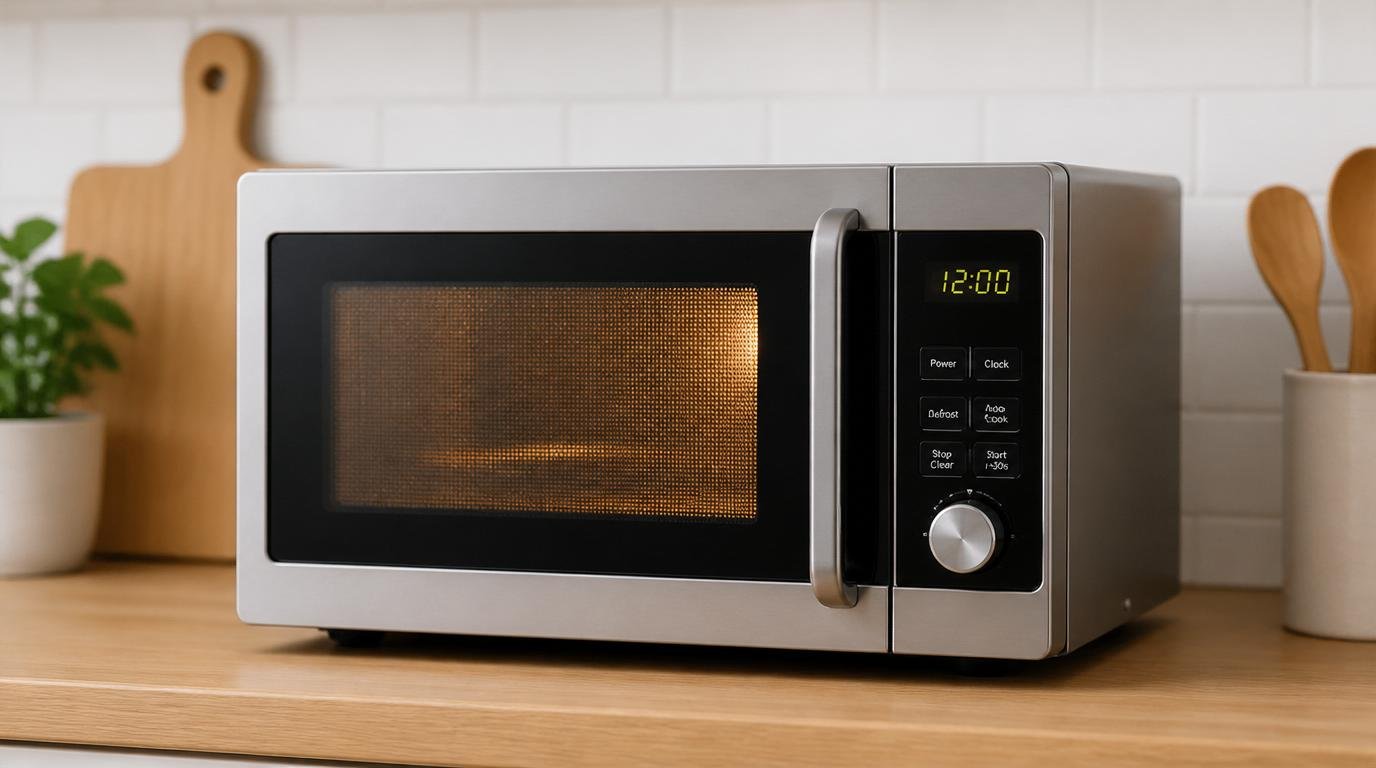
The Complete Guide to Microwave Ovens: Everything You Need to Know
Microwave ovens have become one of the most essential appliances in modern kitchens. From reheating leftovers to preparing full meals within minutes, microwaves save time, energy, and effort. Whether you are planning to buy a microwave oven, learn how it works, understand its benefits, or discover advanced cooking techniques, this comprehensive guide covers everything in detail.
What Is a Microwave Oven?
A microwave oven is an electric kitchen appliance that uses electromagnetic waves called microwaves to heat and cook food quickly.
Unlike traditional ovens that heat food from the outside inward using hot air, microwaves excite water molecules inside the food, generating heat directly within the food itself.
This technology allows:
- Faster cooking
- Quick reheating
- Energy efficiency
- Convenient meal preparation
Microwave ovens are commonly used in homes, offices, restaurants, hostels, and commercial kitchens worldwide.
History of Microwave Ovens
The microwave oven was accidentally discovered in 1945 by engineer Percy Spencer while working with radar technology.
During an experiment, Spencer noticed that a chocolate bar in his pocket melted due to microwave radiation from radar equipment. This led to further experiments and eventually the development of the first microwave cooking device.
Important Milestones
| Year | Development |
|---|---|
| 1945 | Discovery of microwave heating |
| 1947 | First commercial microwave oven introduced |
| 1967 | First countertop microwave launched |
| 1980s | Microwave ovens became common in households |
| Today | Smart inverter and AI-powered microwaves available |
How Does a Microwave Oven Work?
Microwave ovens work using electromagnetic waves typically operating at a frequency of 2.45 GHz.
Main Components of a Microwave Oven
1. Magnetron
The magnetron generates microwave radiation.
2. Waveguide
Directs microwaves into the cooking chamber.
3. Turntable
Rotates food for even heating.
4. Control Panel
Allows users to set cooking time, temperature, and modes.
5. Metal Cooking Chamber
Reflects microwaves inside the oven.
The Science Behind Microwave Heating
Microwaves primarily affect water molecules present in food.
Process
- Microwaves enter food.
- Water molecules vibrate rapidly.
- Friction generates heat.
- Food becomes hot or cooked.
This is called dielectric heating.
Foods with more water content heat faster because they absorb more microwave energy.
Types of Microwave Ovens
Choosing the right microwave depends on your cooking needs.
1. Solo Microwave Oven
A solo microwave is the most basic type.
Features
- Reheating food
- Defrosting frozen items
- Simple cooking
- Budget-friendly
Best For
- Students
- Small families
- Office use
Limitations
- Cannot grill
- No baking capability
2. Grill Microwave Oven
Includes grilling functionality.
Features
- Grilling paneer
- Toasting sandwiches
- Roasting vegetables
- Crispy cooking
Best For
- Grilled dishes
- Light roasting
Advantages
- Better texture
- Multi-purpose use
3. Convection Microwave Oven
A convection microwave combines microwave technology with convection heating.
Features
- Baking cakes
- Roasting chicken
- Pizza making
- Multi-stage cooking
Best For
- Baking enthusiasts
- Large families
- Advanced cooking
Advantages
- All-in-one appliance
- Faster than traditional ovens
4. Inverter Microwave Oven
Uses inverter technology for continuous power delivery.
Benefits
- Even cooking
- Better energy efficiency
- Preserves food texture
- Prevents overcooking
Microwave Oven Capacity Guide
Capacity is measured in liters.
| Capacity | Suitable For |
|---|---|
| 15–20 L | Singles or couples |
| 20–25 L | Small families |
| 25–30 L | Medium families |
| 30+ L | Large families |
Microwave Oven Power Consumption
Microwave power usually ranges from 600W to 1500W.
Power Levels
| Wattage | Performance |
|---|---|
| 600–800W | Basic reheating |
| 800–1000W | Standard cooking |
| 1000–1500W | Fast cooking and grilling |
Higher wattage means faster cooking.
Advantages of Microwave Ovens
1. Saves Time
Microwaves cook significantly faster than traditional methods.
2. Energy Efficient
Consumes less electricity compared to conventional ovens.
3. Easy to Use
Simple controls and automatic cooking menus.
4. Retains Nutrients
Short cooking times help preserve vitamins and minerals.
5. Convenient Reheating
Perfect for leftovers and ready-to-eat meals.
6. Minimal Oil Cooking
Supports healthier cooking methods.
Disadvantages of Microwave Ovens
1. Uneven Heating
Some foods may heat unevenly.
2. Texture Issues
Foods may become rubbery or soggy.
3. Limited Browning
Basic microwaves cannot brown food effectively.
4. Metal Restrictions
Metal utensils cannot be used.
Microwave Oven vs OTG vs Conventional Oven
| Feature | Microwave | OTG | Conventional Oven |
|---|---|---|---|
| Reheating | Excellent | Poor | Moderate |
| Baking | Good (Convection) | Excellent | Excellent |
| Grilling | Good | Excellent | Excellent |
| Cooking Speed | Very Fast | Slow | Moderate |
| Energy Efficiency | High | Moderate | Lower |
Microwave Oven Safety Tips
Safety is extremely important when using microwaves.
Important Safety Guidelines
Never Use Metal Containers
Metal reflects microwaves and may cause sparks.
Use Microwave-Safe Utensils
Recommended materials:
- Glass
- Ceramic
- Microwave-safe plastic
Avoid Heating Sealed Containers
Pressure buildup can cause explosions.
Stir Food Frequently
Ensures even heating.
Do Not Run Empty
Running empty can damage the magnetron.
Keep Ventilation Clear
Prevents overheating.
Is Microwave Radiation Harmful?
This is one of the most common questions.
The Truth
Microwave ovens are generally safe when used properly.
Why?
- Microwave radiation is non-ionizing.
- It does not make food radioactive.
- Modern ovens have protective shielding.
As long as the door seal is intact and the microwave is functioning correctly, exposure risk is extremely low.
Foods You Should Not Microwave
Some foods are unsafe or unsuitable for microwave heating.
Avoid Microwaving
Eggs in Shell
Can explode.
Grapes
May create plasma sparks.
Breast Milk
Can heat unevenly.
Hot Peppers
Can release irritating fumes.
Foil or Metal
Causes sparks and fire hazards.
Microwave-Safe Utensils Guide
| Material | Microwave Safe? |
|---|---|
| Glass | Yes |
| Ceramic | Yes |
| Silicone | Yes |
| Microwave-safe plastic | Yes |
| Stainless steel | No |
| Aluminum foil | No |
| Melamine | Not recommended |
Common Microwave Oven Features
Modern microwaves come with smart features.
Popular Features
Auto Cook Menus
Preset cooking programs.
Child Lock
Prevents accidental operation.
Defrost Function
Thaws frozen food safely.
Sensor Cooking
Automatically adjusts cooking time.
Steam Cleaning
Simplifies maintenance.
Smart Connectivity
Wi-Fi and app control in premium models.
Best Uses of a Microwave Oven
Microwave ovens are extremely versatile.
Everyday Uses
- Reheating leftovers
- Making popcorn
- Cooking noodles
- Preparing frozen foods
- Melting butter or chocolate
- Steaming vegetables
- Making tea or coffee
Can You Bake in a Microwave Oven?
Yes, but only convection microwave ovens support proper baking.
You Can Bake
- Cakes
- Cookies
- Pizza
- Brownies
- Muffins
Solo microwaves cannot bake like traditional ovens.
Microwave Cooking Tips for Better Results
1. Cover Food
Prevents splatter and retains moisture.
2. Arrange Food Evenly
Ensures uniform cooking.
3. Use Medium Power
Better for delicate foods.
4. Let Food Rest
Heat continues spreading after cooking stops.
5. Cut Food into Small Pieces
Improves cooking consistency.
Cleaning and Maintenance
Regular cleaning improves performance and hygiene.
Daily Cleaning
- Wipe interior with damp cloth
- Remove spills immediately
- Clean turntable
Deep Cleaning Method
Steam Cleaning Trick
- Fill bowl with water and lemon.
- Microwave for 5 minutes.
- Wipe softened stains.
Common Microwave Oven Problems and Solutions
| Problem | Possible Cause | Solution |
|---|---|---|
| Microwave not heating | Faulty magnetron | Professional repair |
| Sparks inside | Metal object | Remove immediately |
| Turntable not rotating | Motor issue | Check alignment |
| Bad smell | Food residue | Deep clean |
| Buttons not working | Control panel issue | Reset or repair |
How to Choose the Best Microwave Oven
Before buying, consider these factors.
1. Family Size
Choose appropriate capacity.
2. Cooking Needs
- Basic reheating → Solo
- Grilling → Grill microwave
- Baking → Convection
3. Power Rating
Higher wattage means faster cooking.
4. Brand Reliability
Choose trusted brands with service support.
5. Budget
Microwave prices vary widely based on features.
Popular Microwave Oven Brands
Some well-known brands include:
- LG
- Samsung
- Panasonic
- IFB
- Whirlpool
- Haier
Microwave Oven Price Range
| Type | Approximate Price Range |
|---|---|
| Solo Microwave | Budget-friendly |
| Grill Microwave | Mid-range |
| Convection Microwave | Premium range |
Prices depend on:
- Capacity
- Brand
- Features
- Technology
Energy Efficiency and Electricity Usage
Microwaves are more energy-efficient than conventional ovens because:
- Faster cooking time
- Direct heating mechanism
- Reduced heat loss
Using appropriate power settings can further reduce electricity consumption.
Smart Microwave Ovens
Modern smart microwaves offer:
- Voice control
- Mobile app operation
- Recipe suggestions
- AI cooking modes
- IoT connectivity
Some integrate with smart home systems.
Microwave Oven Myths vs Facts
| Myth | Reality |
|---|---|
| Microwaves make food radioactive | False |
| Microwave food is unhealthy | False |
| Nutrients are destroyed completely | False |
| Metal always explodes | Sparks may occur, but not always explosion |
| Microwaves cause cancer | No scientific evidence in normal use |
Environmental Impact of Microwave Ovens
Microwave ovens can reduce environmental impact by:
- Lower energy consumption
- Faster cooking
- Reduced kitchen heat generation
However, electronic waste disposal should be handled responsibly.
Future of Microwave Technology
Future innovations may include:
- AI-based cooking
- Voice assistant integration
- Smart food recognition
- Improved energy efficiency
- Combination cooking technologies
Frequently Asked Questions (FAQs)
Is microwave cooking safe?
Yes, modern microwave ovens are safe when used properly.
Can I use aluminum foil in microwave?
Generally no, unless manufacturer instructions specifically allow it.
Why does food heat unevenly?
Microwave distribution varies inside the oven.
Can microwaves replace traditional ovens?
Partially. Convection microwaves can handle many baking tasks, but dedicated ovens still perform better for professional baking.
Do microwaves destroy nutrients?
No. In fact, shorter cooking times may preserve nutrients better than some traditional methods.
Final Thoughts
Microwave ovens have transformed modern cooking by making meal preparation faster, easier, and more convenient. Whether you need simple reheating, advanced baking, or healthy cooking solutions, there is a microwave oven suitable for every household.
Understanding how microwave ovens work, their safety guidelines, cooking methods, and maintenance practices can help you use them more effectively and extend their lifespan.
If chosen wisely and used properly, a microwave oven can become one of the most valuable appliances in your kitchen.