Washing Machines: Working Technology, Types & Complete Buying Guide for Smart Buyers
A washing machine has become one of the most essential home appliances in modern households. From saving time and effort to improving fabric care and hygiene, today’s washing machines are smarter, faster, and more energy-efficient than ever before. Whether you are buying your first machine or upgrading an old one, understanding how washing machines work and what features matter can help you make the right decision.
In this detailed guide, we will explore washing machine technology, different types of machines, important features, and a complete buying guide before purchase.
What is a Washing Machine?
A washing machine is an electrical appliance designed to clean clothes automatically using water, detergent, and mechanical motion. Modern machines can wash, rinse, spin, dry, and even steam-clean clothes with minimal human effort.
Today’s advanced washing machines use technologies like AI sensors, inverter motors, steam cleaning, and smart connectivity to improve performance and reduce electricity and water consumption.
How Does a Washing Machine Work?
A washing machine follows several stages during a wash cycle.
1. Water Intake
The machine draws water from the supply line through inlet valves. Depending on the selected program, it takes hot or cold water.
2. Detergent Mixing
Water flows through the detergent tray and mixes detergent evenly before entering the drum.
3. Agitation or Drum Rotation
The drum rotates or pulsates to move clothes through water and detergent. This movement removes dirt and stains from fabrics.
4. Rinsing
Dirty water is drained, and clean water enters the drum to rinse away detergent residue.
5. Spinning
The drum rotates at high speed to remove excess water from clothes using centrifugal force.
6. Drying (in some models)
Washer-dryer machines use heated air or condensation drying technology to dry clothes completely.
Main Technologies Used in Modern Washing Machines
Inverter Technology
Inverter motors adjust speed according to load size and fabric type. This helps reduce noise, vibration, and electricity usage.
Benefits:
- Lower power consumption
- Quieter operation
- Longer motor life
- Better washing performance
Direct Drive Technology
In direct drive systems, the motor is attached directly to the drum without belts or pulleys.
Advantages:
- Reduced vibration
- Fewer moving parts
- Better durability
- Silent washing
Smart Sensor Technology
Modern washing machines use sensors to detect:
- Fabric type
- Water level
- Load size
- Dirt level
The machine automatically adjusts wash settings for better efficiency.
Steam Wash Technology
Steam washing uses hot steam to:
- Remove tough stains
- Kill bacteria and allergens
- Reduce wrinkles
- Improve fabric softness
This feature is especially useful for baby clothes and sensitive skin.
AI & Smart Connectivity
Premium models now include Wi-Fi and AI features.
Smart functions include:
- Mobile app control
- Voice assistant support
- Cycle recommendations
- Maintenance alerts
- Energy monitoring
Types of Washing Machines
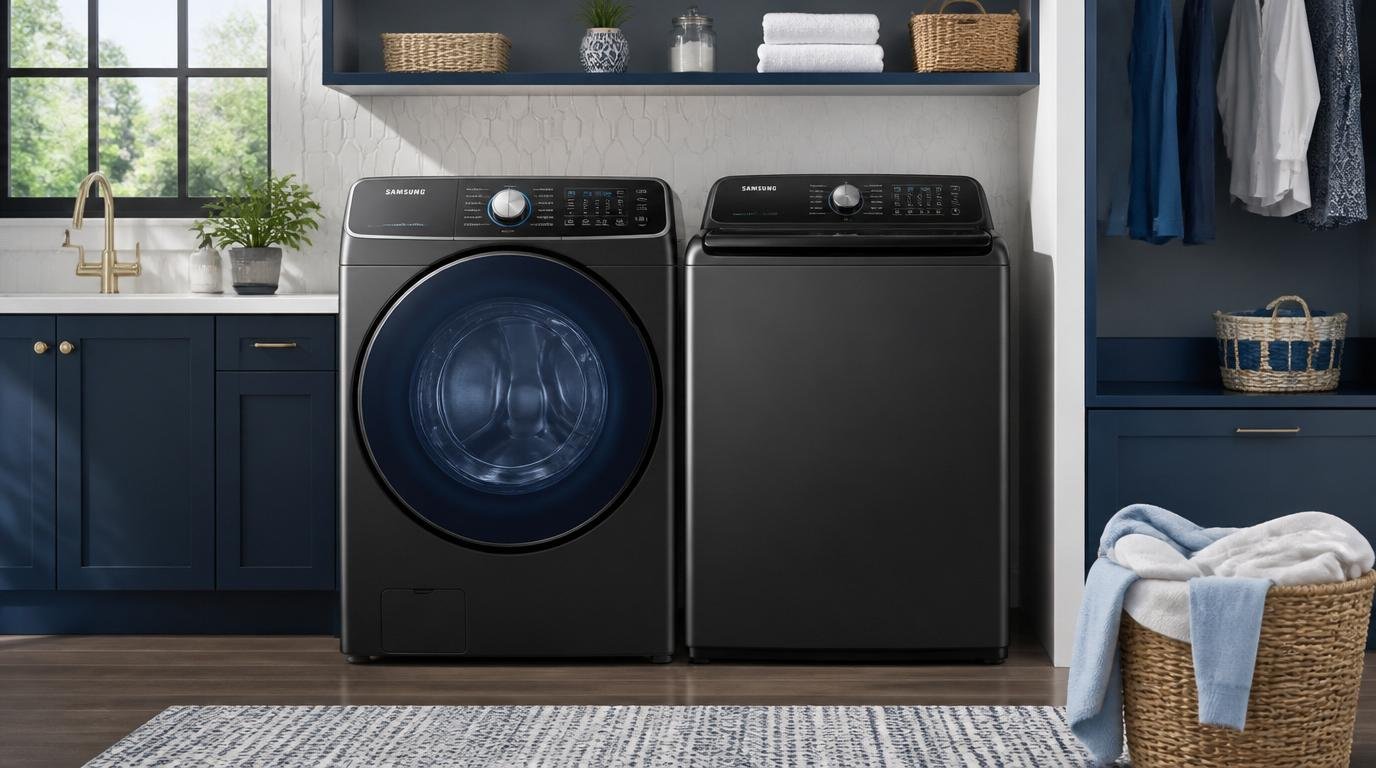
Top Load Washing Machines
Top-load machines are loaded from the top and are popular for their convenience and affordability.
Pros:
- Easy loading and unloading
- Budget-friendly
- Faster wash cycles
- Less bending required
Cons:
- Uses more water
- Slightly rough on delicate clothes
- Less energy efficient than front load
Best for:
- Large families
- Budget-conscious buyers
Front Load Washing Machines
Front-load machines are known for superior washing performance and energy efficiency.
Pros:
- Better cleaning quality
- Water and energy efficient
- Gentle on clothes
- Advanced wash programs
Cons:
- Higher initial cost
- Longer wash cycles
- Requires bending
Best for:
- Urban households
- Premium appliance buyers
- Frequent washing needs
Semi-Automatic Washing Machines
Semi-automatic machines have separate washing and spinning tubs.
Pros:
- Affordable
- Low electricity usage
- Works well in low-water-pressure areas
Cons:
- Requires manual effort
- Less convenient
- Basic features only
Best for:
- Rural areas
- Small households
- Budget users
Important Features to Check Before Buying
Capacity
Choose machine capacity according to family size.
| Family Size | Recommended Capacity |
|---|---|
| 1–2 Members | 6–7 Kg |
| 3–4 Members | 7–8 Kg |
| 5+ Members | 9 Kg or more |
Spin Speed
Higher RPM (Revolutions Per Minute) removes more water from clothes.
- 700–800 RPM: Basic drying
- 1000–1200 RPM: Faster drying
- 1400+ RPM: Premium performance
Energy Efficiency
Look for high energy ratings to reduce electricity bills.
Energy-efficient models:
- Consume less power
- Reduce water wastage
- Offer long-term savings
Wash Programs
Modern washing machines offer dedicated modes such as:
- Cotton
- Wool
- Quick Wash
- Baby Care
- Delicate
- Eco Wash
- Heavy Duty
More programs provide better fabric protection.
Noise and Vibration
If your laundry area is near bedrooms or living spaces, choose machines with:
- Inverter motors
- Anti-vibration technology
- Silent wash systems
Build Quality
Stainless steel drums are more durable and hygienic than plastic drums.
Front Load vs Top Load: Which is Better?
| Feature | Front Load | Top Load |
|---|---|---|
| Water Efficiency | Excellent | Moderate |
| Cleaning Performance | Superior | Good |
| Electricity Consumption | Lower | Higher |
| Price | Expensive | Affordable |
| Fabric Care | Gentle | Moderate |
| Wash Speed | Slower | Faster |
Choose front load for premium performance and top load for affordability and convenience.
Common Mistakes to Avoid While Buying
Ignoring Space Availability
Measure installation space carefully before purchase.
Buying Low Capacity for Large Families
An undersized machine increases wash frequency and energy usage.
Ignoring Warranty
Always check motor and product warranty duration.
Focusing Only on Price
Cheap machines may have higher maintenance costs later.
Not Checking Water Pressure Compatibility
Some fully automatic machines need consistent water pressure.
Tips to Maintain Your Washing Machine
- Clean the drum regularly
- Use the correct detergent
- Avoid overloading
- Leave the door open after wash
- Clean lint and filters periodically
- Run drum cleaning mode monthly
Proper maintenance increases lifespan and washing efficiency.
Are Smart Washing Machines Worth It?
Smart washing machines are useful for users who:
- Prefer automation
- Want app-based control
- Need energy monitoring
- Wash clothes frequently
However, for basic household needs, standard inverter models are often sufficient.
Final Thoughts
Choosing the right washing machine depends on your family size, budget, laundry habits, water availability, and preferred features. Front-load models provide superior cleaning and efficiency, while top-load and semi-automatic machines remain practical and affordable choices for many households.
Before purchasing, compare:
- Capacity
- Motor technology
- Energy efficiency
- Wash programs
- Warranty
- Build quality
A well-chosen washing machine can save time, electricity, water, and maintenance costs for many years while keeping your clothes cleaner and fresher.