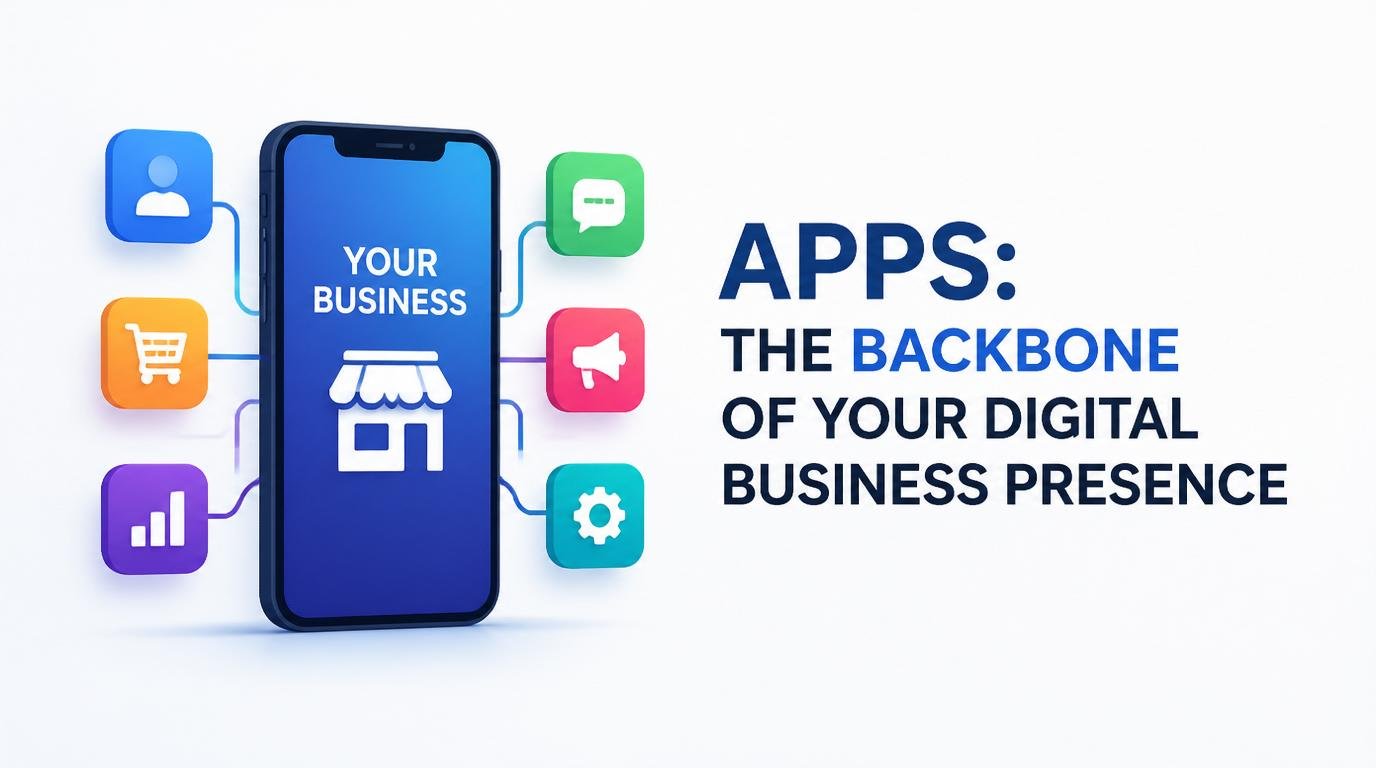
Apps: The Backbone of Your Digital Business Presence
In today’s hyper-connected digital economy, apps are no longer optional for businesses—they are foundational. Whether it is a startup, an eCommerce brand, a healthcare provider, a financial institution, or a multinational enterprise, applications power communication, operations, customer engagement, automation, analytics, and revenue generation.
Modern consumers spend the majority of their digital time using applications rather than traditional websites. Businesses that fail to invest in the right app ecosystem risk losing visibility, efficiency, customer trust, and market competitiveness.
This comprehensive guide explores everything about business apps: their importance, types, categories, architecture, essential elements, business benefits, technologies, security considerations, monetization methods, future trends, and strategic implementation.
What Are Apps?
Applications (apps) are software programs designed to perform specific functions for users or businesses. They run on smartphones, tablets, desktops, browsers, smart TVs, wearables, cloud systems, and connected devices.
Apps help businesses:
- Deliver services digitally
- Interact with customers
- Manage operations
- Process payments
- Analyze data
- Automate workflows
- Improve customer experiences
- Increase revenue streams
Apps act as the digital interface between a business and its audience.
Why Apps Are the Backbone of Digital Business
1. 24/7 Business Availability
Apps allow businesses to remain accessible around the clock. Customers can:
- Browse products
- Make purchases
- Request support
- Book services
- Track orders
- Manage subscriptions
—all without human intervention.
This dramatically increases scalability and customer convenience.
2. Enhanced Customer Engagement
Apps create direct communication channels through:
- Push notifications
- In-app messaging
- Loyalty programs
- Personalized offers
- Real-time updates
Businesses can maintain continuous engagement with users.
3. Brand Visibility and Recognition
Every time users unlock their phones and see an app icon, brand exposure increases.
Apps strengthen:
- Brand identity
- Customer familiarity
- Trust
- Recall value
4. Data Collection and Analytics
Apps generate valuable user data including:
- Purchase behavior
- Usage patterns
- Session duration
- Demographics
- Preferences
- Retention metrics
This data helps businesses improve decision-making.
5. Revenue Generation
Apps open multiple revenue channels:
- Product sales
- Subscriptions
- Advertisements
- Affiliate marketing
- Premium features
- In-app purchases
Apps often become standalone revenue-generating assets.
Major Types of Apps
Understanding app types is essential for choosing the right business strategy.
1. Native Apps
Native apps are developed specifically for a platform.
Platforms
- Android
- iOS
- Windows
- macOS
Technologies
- Kotlin / Java (Android)
- Swift / Objective-C (iOS)
Advantages
- High performance
- Better security
- Excellent user experience
- Full device access
- Smooth animations
Disadvantages
- Higher development cost
- Separate codebases required
Best For
- Banking apps
- Gaming apps
- Enterprise applications
- Social media apps
2. Web Apps
Web apps operate inside browsers and do not require installation.
Examples
- Online tools
- SaaS dashboards
- Browser-based CRM systems
Advantages
- Lower development cost
- Cross-platform compatibility
- Easy updates
- No app store approval required
Disadvantages
- Limited device access
- Internet dependency
- Lower performance than native apps
3. Hybrid Apps
Hybrid apps combine native and web technologies.
Popular Frameworks
- Flutter
- React Native
- Ionic
- Xamarin
Advantages
- Faster development
- Single codebase
- Lower maintenance cost
Disadvantages
- Slightly lower performance
- Platform-specific limitations
4. Progressive Web Apps (PWAs)
PWAs behave like mobile apps but run in browsers.
Features
- Offline access
- Push notifications
- Installable experience
- Fast loading
Benefits
- Lower cost
- SEO-friendly
- Better accessibility
Main Categories of Business Apps
1. eCommerce Apps
These apps enable online buying and selling.
Features
- Product catalogs
- Shopping carts
- Secure checkout
- Order tracking
- Payment gateways
- Reviews and ratings
Benefits
- Global reach
- Increased sales
- Customer convenience
2. Social Media Apps
Designed for communication and community building.
Features
- User profiles
- Messaging
- Media sharing
- Live streaming
- Notifications
Examples of Usage
- Brand communities
- Influencer marketing
- Customer engagement
3. Enterprise Apps
Used internally by organizations.
Types
- ERP systems
- HR management
- Payroll systems
- Inventory software
- CRM platforms
Benefits
- Workflow automation
- Productivity improvement
- Reduced operational costs
4. FinTech Apps
Financial technology apps transform banking and payments.
Features
- Digital wallets
- Online banking
- Investment tracking
- Crypto integration
- Payment processing
Critical Focus Areas
- Security
- Compliance
- Encryption
- Fraud prevention
5. Healthcare Apps
Healthcare applications support medical services.
Features
- Telemedicine
- Appointment booking
- Electronic health records
- Prescription management
- Health monitoring
Importance
- Remote healthcare access
- Better patient management
- Faster communication
6. Education Apps
Used for digital learning.
Features
- Video lessons
- Quizzes
- Certifications
- Live classes
- Learning analytics
Benefits
- Remote education
- Self-paced learning
- Global accessibility
7. Productivity Apps
Focused on task and workflow management.
Examples
- Project management
- Note-taking
- Collaboration tools
- Scheduling systems
Key Elements
- Cloud syncing
- Notifications
- Team collaboration
8. Gaming Apps
Gaming is one of the largest app industries globally.
Types
- Casual games
- Multiplayer games
- AR/VR games
- Strategy games
Revenue Models
- Ads
- In-app purchases
- Subscriptions
Essential Elements of Successful Apps
1. User Interface (UI)
UI determines how users interact visually with the app.
Important UI Components
- Typography
- Color schemes
- Icons
- Buttons
- Navigation
- Layout spacing
Goals
- Clarity
- Simplicity
- Accessibility
- Visual consistency
2. User Experience (UX)
UX focuses on overall user satisfaction.
Core UX Principles
- Easy navigation
- Fast loading
- Intuitive interactions
- Minimal friction
- Clear user journeys
Poor UX is one of the main reasons apps fail.
3. Performance Optimization
Users expect apps to be extremely fast.
Performance Factors
- Load speed
- Animation smoothness
- API response time
- Battery optimization
- Memory efficiency
Even a few seconds of delay can reduce conversions.
4. Security
Security is critical for all applications.
Essential Security Features
- SSL encryption
- Two-factor authentication
- Biometric login
- Secure APIs
- Data encryption
- Role-based access control
Security Threats
- Data breaches
- Malware
- Account hijacking
- API attacks
5. Scalability
Apps must grow with business demand.
Scalability Includes
- Cloud infrastructure
- Load balancing
- Microservices architecture
- CDN integration
- Database optimization
6. Offline Functionality
Many modern apps support offline usage.
Benefits
- Better accessibility
- Improved reliability
- Enhanced user experience
7. Push Notifications
Push notifications drive engagement.
Usage Examples
- Promotions
- Order updates
- Reminders
- Personalized offers
Warning
Overusing notifications can lead to app uninstalls.
8. Analytics Integration
Analytics help businesses measure performance.
Key Metrics
- Daily active users
- Retention rate
- Session duration
- Conversion rate
- Churn rate
Core Technologies Behind Modern Apps
Frontend Technologies
Frontend handles the user-facing side.
Popular Technologies
- React Native
- Flutter
- Swift
- Kotlin
- Angular
- Vue.js
Backend Technologies
Backend powers business logic and databases.
Common Backend Technologies
- Node.js
- Python
- Java
- PHP
- Ruby on Rails
- .NET
Databases
Apps rely heavily on databases.
Database Types
Relational Databases
- MySQL
- PostgreSQL
NoSQL Databases
- MongoDB
- Firebase
- Cassandra
Cloud Infrastructure
Cloud computing powers scalable applications.
Popular Cloud Platforms
- AWS
- Google Cloud
- Microsoft Azure
Benefits
- Scalability
- Reliability
- Global deployment
- Disaster recovery
APIs and Integrations
APIs connect apps with external systems.
Common Integrations
- Payment gateways
- Social logins
- Maps
- Analytics
- AI services
- Chat systems
Mobile App Development Lifecycle
1. Research and Planning
This stage includes:
- Market analysis
- Competitor research
- Audience identification
- Goal setting
2. Wireframing and Design
Designers create:
- User flows
- Prototypes
- UI layouts
- Design systems
3. Development
Developers build:
- Frontend systems
- Backend infrastructure
- APIs
- Databases
4. Testing
Testing ensures reliability.
Types of Testing
- Functional testing
- Security testing
- Performance testing
- Usability testing
- Device compatibility testing
5. Deployment
Apps are released through:
- App Store
- Google Play Store
- Web hosting platforms
6. Maintenance and Updates
Continuous improvements are essential.
Ongoing Tasks
- Bug fixes
- Security patches
- Feature updates
- Performance optimization
App Monetization Models
1. Subscription Model
Users pay monthly or yearly.
Examples
- Streaming services
- SaaS platforms
- Learning platforms
2. Freemium Model
Basic features are free while premium features require payment.
3. Advertising Model
Revenue comes from advertisements.
Ad Types
- Banner ads
- Video ads
- Native ads
- Rewarded ads
4. In-App Purchases
Users buy digital goods or features.
5. Transaction Fees
Businesses earn commissions per transaction.
Role of AI in Modern Apps
Artificial Intelligence is transforming app ecosystems.
AI Features in Apps
- Chatbots
- Recommendation systems
- Predictive analytics
- Voice assistants
- Fraud detection
- Image recognition
Benefits
- Personalization
- Automation
- Improved customer support
- Better decision-making
Future Trends in App Development
1. AI-Powered Applications
AI will dominate future app experiences.
2. Super Apps
Apps combining multiple services into one ecosystem.
Features
- Payments
- Shopping
- Messaging
- Travel booking
- Food delivery
3. Augmented Reality (AR)
AR improves immersive experiences.
Industries Using AR
- Retail
- Gaming
- Education
- Real estate
4. Internet of Things (IoT)
Apps increasingly control connected devices.
Examples
- Smart homes
- Wearables
- Industrial systems
5. Blockchain Integration
Blockchain enhances:
- Security
- Transparency
- Decentralization
Common Challenges in App Development
1. High Competition
Millions of apps compete for user attention.
2. Security Risks
Cyber threats continue to increase.
3. Device Fragmentation
Apps must support various devices and operating systems.
4. User Retention
Keeping users engaged is difficult.
5. Continuous Updates
Technology evolves rapidly.
Businesses must constantly innovate.
How Businesses Should Choose the Right App Strategy
Define Business Goals
Determine whether the app is intended for:
- Sales
- Engagement
- Productivity
- Support
- Branding
- Automation
Understand Target Audience
Analyze:
- User behavior
- Demographics
- Device preferences
- Pain points
Select the Right Platform
Choose between:
- Native
- Hybrid
- Web
- Cross-platform
based on budget and business objectives.
Prioritize Security
Security should never be optional.
Focus on User Experience
User-centric design directly impacts success.
Invest in Scalability
Build infrastructure that supports future growth.
The Business Impact of Apps
Apps have fundamentally changed how businesses operate.
Key Business Advantages
Increased Revenue
Apps create new monetization opportunities.
Better Customer Relationships
Apps allow continuous communication.
Operational Efficiency
Automation reduces manual work.
Competitive Advantage
Digital-first businesses outperform outdated competitors.
Global Accessibility
Apps remove geographical barriers.
Conclusion
Apps are not just digital tools—they are the foundation of modern business ecosystems. They influence customer relationships, operational efficiency, revenue generation, brand identity, scalability, and innovation.
From eCommerce and healthcare to education and enterprise systems, apps are reshaping industries worldwide. Businesses that strategically invest in high-quality, secure, scalable, and user-focused applications position themselves for long-term digital success.
In an era where digital experiences define brand perception, apps truly are the backbone of your digital business presence.