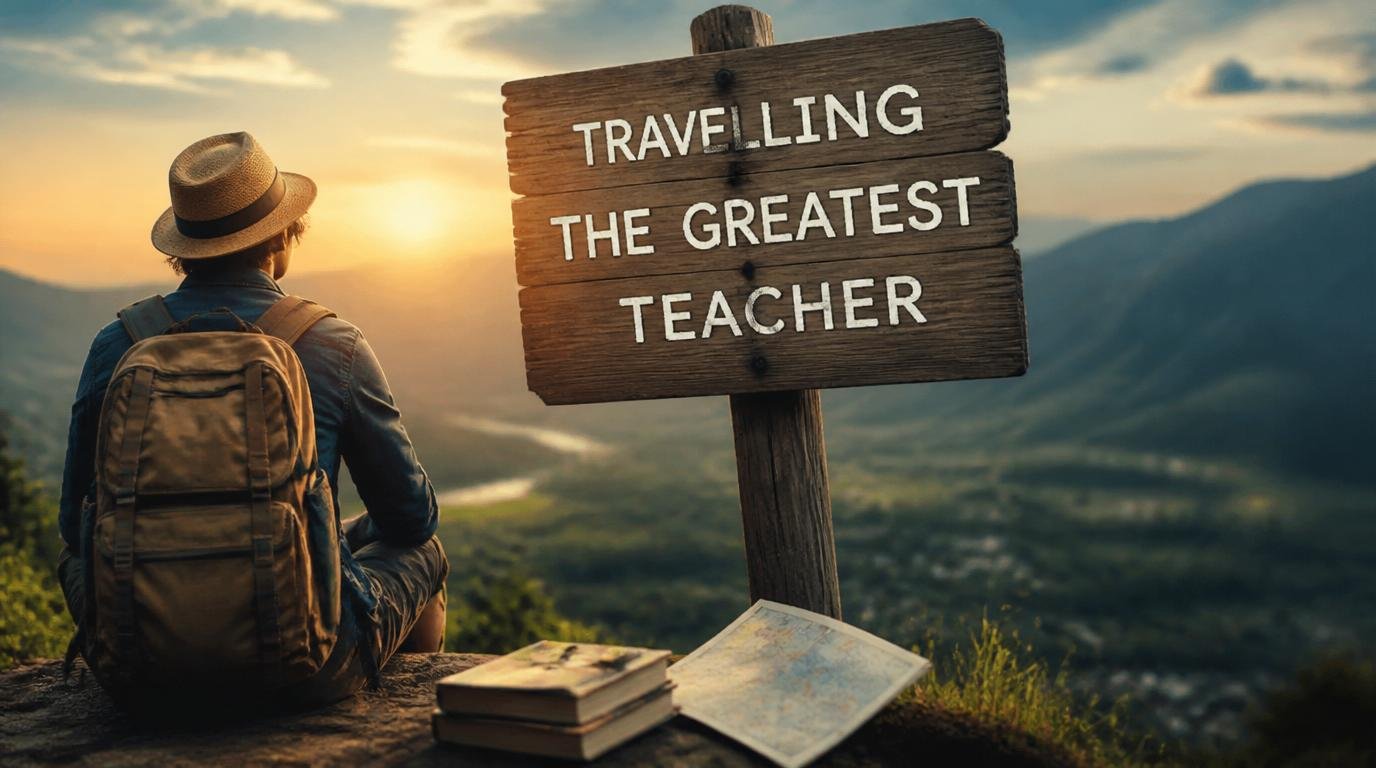
Travelling: The Super Adventurous Hobby and the Greatest Teacher
Travelling is one of the most exciting and meaningful hobbies a person can have. It is not only a source of entertainment and adventure but also a powerful teacher that shapes our personality, broadens our thinking, and enriches our understanding of the world. People travel for different reasons—some travel to relax, some to explore nature, some to learn about history and culture, while others travel simply to escape the routine of daily life. No matter what the reason may be, travelling leaves a lasting impact on the mind and soul.
In today’s fast-moving world, where stress and pressure have become common parts of life, travelling offers a refreshing break from monotony. It allows people to discover new places, meet different people, experience various cultures, taste unique foods, and create unforgettable memories. More importantly, travelling teaches lessons that no classroom can fully provide. It develops confidence, patience, adaptability, and wisdom. That is why travelling is often called “the greatest teacher.”
Travelling as an Adventurous Hobby
A hobby is an activity that people enjoy during their free time. Among all hobbies, travelling is perhaps the most adventurous and rewarding. Unlike hobbies that are limited to one place, travelling opens the door to endless exploration. Every journey brings something new and exciting.
Adventure is an important part of travelling. Climbing mountains, trekking through forests, exploring deserts, camping near rivers, diving into oceans, or walking through unknown streets in a foreign city creates thrilling experiences. These adventures make life more interesting and meaningful. They help people overcome fear and become more courageous.
For example, a person who travels to the Himalayas experiences not only natural beauty but also the challenge of surviving in cold weather and difficult terrains. Someone who travels alone to another country learns how to communicate with strangers, manage time, and solve unexpected problems. Such experiences build confidence and independence.
Travelling also breaks the boredom of routine life. Many people spend most of their days working, studying, or handling responsibilities. Over time, life can become repetitive and tiring. Travelling provides mental relaxation and emotional freshness. Even a short trip can improve mood and reduce stress.
Another beautiful aspect of travelling is unpredictability. Every journey is different. Sometimes travellers discover hidden places, meet inspiring individuals, or witness moments that change their perspective forever. These unexpected experiences make travelling deeply exciting and memorable.
Travelling Expands Knowledge
Travelling is one of the best ways to gain practical knowledge. Books and the internet can provide information, but real understanding comes from personal experience. When people travel, they observe the world directly. They learn about geography, history, language, traditions, lifestyles, and human behavior in a much deeper way.
For instance, reading about the Taj Mahal in a textbook is very different from seeing it with your own eyes. Visiting historical monuments, museums, temples, castles, and ancient cities helps people connect emotionally with history. It transforms theoretical learning into real-life experience.
Travelling also improves general awareness. A traveler becomes more informed about different countries, climates, transportation systems, local economies, and social customs. Such knowledge makes a person wiser and more open-minded.
In addition, travelling teaches valuable life skills. Managing budgets, planning routes, booking accommodations, and dealing with unexpected situations improve problem-solving abilities. Travelers often learn how to make quick decisions and adjust to changing circumstances.
Language learning is another major advantage. When people travel to places where different languages are spoken, they naturally pick up new words and phrases. Even basic communication with locals improves language skills and confidence.
Travelling also develops observation skills. Travelers notice details that others may ignore—architecture, local fashion, food habits, cultural practices, and natural surroundings. These observations increase curiosity and intellectual growth.
Cultural Exposure Through Travelling
One of the greatest benefits of travelling is cultural exposure. The world is full of diverse cultures, traditions, religions, and lifestyles. Travelling allows people to experience this diversity personally.
Every culture has its own beauty and uniqueness. By visiting different places, people learn how others celebrate festivals, prepare food, dress, communicate, and live their daily lives. This exposure teaches respect for diversity and promotes tolerance.
For example, a traveler visiting Japan may admire the discipline and cleanliness of society, while someone visiting India may appreciate the richness of traditions and spiritual heritage. A visit to African countries may introduce travelers to tribal customs and vibrant music. European countries may offer lessons in art, architecture, and history. Each destination teaches something valuable.
Cultural exposure also removes stereotypes and misunderstandings. Sometimes people form opinions about countries or communities without truly knowing them. Travelling helps break these false assumptions. When travelers interact with local people, they realize that humanity is connected through kindness, emotions, and shared experiences.
Food is another important part of cultural learning. Trying local dishes introduces travelers to new tastes and traditions. Food reflects the history and lifestyle of a region. Eating authentic Italian pasta in Italy or traditional Thai curry in Thailand provides a cultural experience beyond simple dining.
Travelling also encourages appreciation of cultural heritage. Traditional dances, folk music, handicrafts, and local festivals reveal the creativity and history of communities. Witnessing such traditions creates respect for human civilization and cultural identity.
Moreover, cultural exposure helps people become globally aware citizens. In an interconnected world, understanding different cultures is essential for harmony and cooperation. Travelers often become more empathetic and respectful toward others.
Travelling Builds Character
Travelling is not only about visiting places; it is also about personal growth. It changes the way people think and behave. Many travelers return home as more mature and confident individuals.
One important quality developed through travelling is adaptability. During travel, things do not always go as planned. Flights may be delayed, weather conditions may change, or language barriers may create confusion. Travelers learn how to remain calm and adjust to situations.
Patience is another important lesson. Long journeys, waiting lines, transportation problems, and unfamiliar environments teach people to stay patient and composed.
Travelling also promotes independence. Solo travelers especially learn how to manage themselves without depending on others. They become more responsible and self-reliant.
Meeting people from different backgrounds improves communication skills and emotional intelligence. Travelers learn how to interact respectfully with strangers and understand different perspectives.
Another major benefit is gratitude. When people visit places with different living conditions, they often realize the value of their own lives. Seeing poverty, hardship, or different lifestyles creates appreciation for comforts that are usually taken for granted.
Travelling also inspires creativity. Writers, artists, photographers, and musicians often find inspiration during journeys. Natural beauty, historical places, and human stories stimulate imagination and creativity.
Importance of Nature in Travelling
Nature plays a major role in making travelling enjoyable and educational. Mountains, rivers, forests, oceans, waterfalls, deserts, and valleys offer peace and beauty that refresh the human mind.
Spending time in nature reduces stress and improves mental health. Modern life is dominated by technology and busy schedules. Travelling to natural destinations helps people reconnect with themselves and the environment.
Nature also teaches important lessons about balance and conservation. Travelers who witness pollution or environmental destruction often become more conscious about protecting nature. Eco-tourism and responsible travelling encourage people to preserve wildlife and natural resources.
Adventure tourism such as hiking, camping, rafting, and wildlife safaris also helps people appreciate the power and beauty of nature. Watching a sunrise from a mountain peak or hearing waves crash on a quiet beach creates unforgettable emotional experiences.
Educational Value of Travelling for Students
Travelling is especially beneficial for students. Educational tours and trips provide practical learning opportunities that cannot be achieved only through classroom education.
Students who travel gain confidence, social skills, and awareness of the world. Visiting historical places, science museums, industries, or cultural centers makes learning more interactive and interesting.
Travel also encourages curiosity. Students begin asking questions, observing details, and thinking critically. Such experiences improve intellectual development.
Group travel teaches teamwork and cooperation. Students learn how to interact with peers, follow discipline, and respect different opinions.
International travel can be even more transformative. It exposes students to global education systems, technological advancement, and cultural diversity. Such experiences prepare young people for future careers and international opportunities.
Safety Tips While Travelling
Although travelling is exciting, safety should always be a priority. Careful planning and responsible behavior can make journeys safer and more enjoyable. A great travel experience depends not only on adventure but also on preparedness and awareness.
1. Plan Before You Travel
Proper planning is essential. Travelers should research their destination carefully before starting the journey. Important information includes weather conditions, local laws, transportation systems, accommodation options, and emergency services.
Making a travel itinerary helps avoid confusion and saves time. Booking hotels and transportation in advance can reduce stress and prevent last-minute problems.
2. Keep Important Documents Safe
Travelers should keep passports, identification cards, tickets, and other important documents secure. Carrying photocopies or digital backups is highly recommended.
Using a secure bag or money belt helps protect valuables from theft. Important documents should never be left unattended.
3. Manage Money Wisely
Carrying too much cash can be risky. Travelers should use a combination of cash, debit cards, and digital payment methods. Emergency funds should always be available.
It is also wise to keep money in separate places so that losing one wallet does not create a major problem.
4. Stay Alert in Crowded Areas
Tourist destinations and crowded public places can attract pickpockets and scammers. Travelers should remain aware of their surroundings and avoid displaying expensive items openly.
Strangers offering suspicious deals or services should be approached carefully.
5. Choose Safe Accommodation
Accommodation should be selected based on safety, cleanliness, and reputation. Reading reviews and checking ratings before booking hotels or hostels can prevent unpleasant experiences.
Doors and windows should always be locked properly, and valuables should be stored securely.
6. Take Care of Health
Health is extremely important during travel. Travelers should carry essential medicines, drink clean water, and maintain hygiene.
Trying local food is enjoyable, but eating from unhygienic places can cause illness. Travel insurance and vaccination may also be necessary for certain destinations.
7. Respect Local Culture and Laws
Every country and community has different customs and laws. Respecting local traditions, dress codes, and social behavior helps avoid misunderstandings and conflicts.
Travelers should behave politely and responsibly in religious or cultural places.
8. Stay Connected
Keeping family or friends informed about travel plans is important. Mobile phones should remain charged, and emergency contacts should always be accessible.
Using navigation apps and maps can help travelers avoid getting lost.
9. Avoid Risky Activities Without Preparation
Adventure activities such as trekking, scuba diving, or mountain climbing should only be done with proper guidance and safety equipment.
Ignoring safety instructions can lead to serious accidents.
10. Trust Your Instincts
If a situation feels unsafe or uncomfortable, it is better to leave immediately. Being cautious is always wiser than taking unnecessary risks.
Responsible and Sustainable Travelling
Modern travelers should also think about sustainable tourism. Responsible travelling means respecting the environment, local culture, and communities.
Travelers should avoid littering, wasting water, or damaging historical sites. Supporting local businesses and buying handmade products can help local economies grow.
Eco-friendly travel practices such as using reusable bottles, reducing plastic waste, and choosing environmentally responsible services help protect nature for future generations.
Responsible tourism creates positive impacts and ensures that beautiful destinations remain preserved.
The Emotional Impact of Travelling
Travelling creates memories that stay with people forever. Many travelers remember not only the places they visited but also the emotions they felt during the journey.
Watching sunsets in peaceful locations, meeting kind strangers, sharing laughter with friends, or experiencing cultural festivals creates emotional richness. Such memories often become the most valuable treasures of life.
Travelling can also help people discover themselves. Spending time away from familiar surroundings allows individuals to reflect on their goals, dreams, and values. Many people return from journeys feeling more motivated and inspired.
Some journeys even change lives completely. A person may discover a passion for photography, writing, social work, or environmental conservation during travel. Others may develop deeper confidence and independence.
Why Travelling Is the Greatest Teacher
Travelling is called the greatest teacher because it teaches lessons beyond books and classrooms. It educates the mind, strengthens the character, and enriches the soul.
It teaches people how to adapt, communicate, survive, respect diversity, and appreciate life. It shows both the beauty and challenges of the world. It encourages humility by reminding travelers that the world is vast and full of different perspectives.
Unlike formal education, the lessons of travelling are practical and unforgettable. A traveler learns through direct experience. Mistakes become lessons, conversations become knowledge, and journeys become stories of growth.
Travelling also teaches humanity. Meeting people from different cultures reveals that despite differences in language, religion, or nationality, human emotions remain universal. Love, kindness, hope, and friendship connect people everywhere.
Most importantly, travelling teaches freedom. It allows people to step out of comfort zones and experience life more deeply.
Conclusion
Travelling is far more than a hobby; it is an extraordinary journey of adventure, learning, and self-discovery. It enriches knowledge, exposes people to diverse cultures, develops confidence, and creates unforgettable memories. Every destination offers new lessons and experiences that shape a person’s personality and understanding of the world.
At the same time, travelling requires responsibility and awareness. Following safety measures, respecting local cultures, and protecting the environment ensure that travel experiences remain enjoyable and meaningful.
In a world filled with routine and stress, travelling brings excitement, peace, and inspiration. It transforms ordinary moments into lifelong memories and turns individuals into wiser, more compassionate human beings.
Therefore, travelling truly deserves to be called “the super adventurous hobby and the greatest teacher.” Every journey opens a new chapter of learning, and every traveler returns home with stories, wisdom, and experiences that no textbook can ever fully provide.