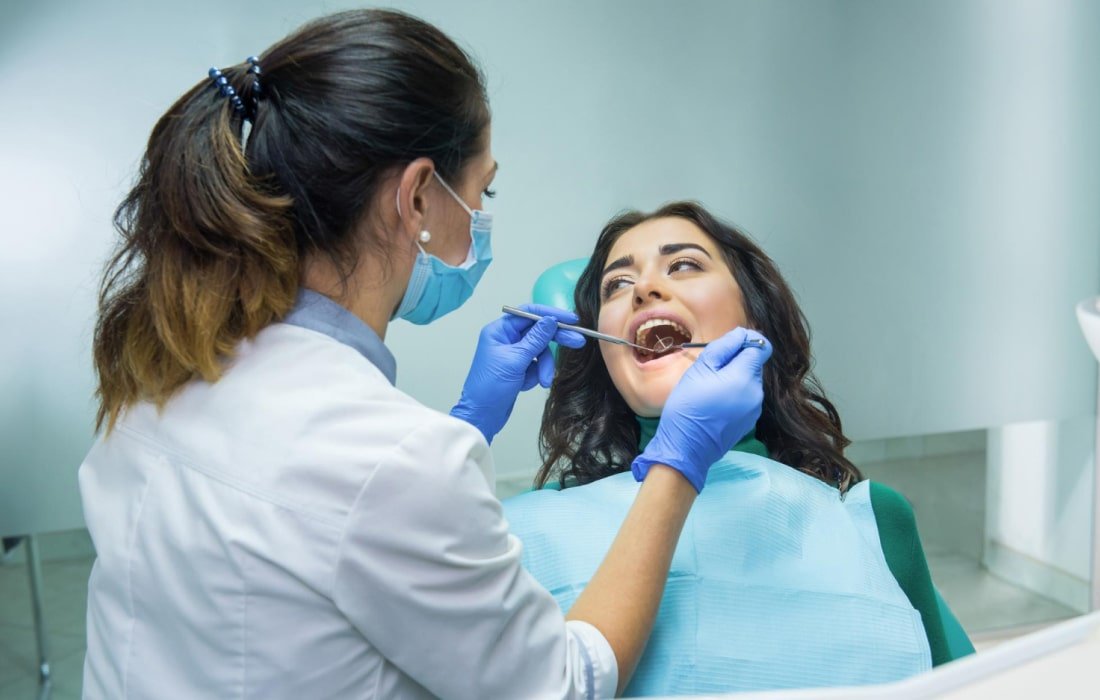
Complete Oral Care for Lasting Best Oral Health
Oral health is far more than having white teeth or fresh breath. A healthy mouth plays a major role in overall wellness, confidence, nutrition, communication, and quality of life. Poor oral hygiene can lead to tooth decay, gum disease, bad breath, infections, tooth loss, and even contribute to serious health conditions such as heart disease, diabetes complications, and respiratory infections.
Complete oral care means building a consistent, science-based routine that protects every part of your mouth — teeth, gums, tongue, jaw, and soft tissues — while also supporting long-term health through proper diet, hydration, professional care, and healthy habits.
This detailed guide covers everything you need to know about achieving and maintaining lasting oral health.
Understanding Oral Health
Your mouth contains millions of bacteria. Some are beneficial, while others can cause problems when oral hygiene is neglected. Food particles and bacteria combine to form plaque — a sticky film that builds up on teeth and gums.
If plaque is not removed regularly:
- It hardens into tartar
- Enamel begins to weaken
- Cavities form
- Gums become inflamed
- Bad breath develops
- Infections may spread
Good oral care prevents these problems before they start.
The Main Components of Complete Oral Care
Complete oral care includes:
- Proper brushing
- Flossing and interdental cleaning
- Tongue cleaning
- Mouthwash use
- Healthy diet and hydration
- Regular dental checkups
- Protection from harmful habits
- Preventive treatments
- Gum care
- Lifestyle and overall health management
Each component works together to maintain a healthy mouth for life.
1. Proper Brushing Techniques
Brushing is the foundation of oral hygiene, but many people brush incorrectly.
Why Brushing Matters
Brushing removes:
- Plaque
- Food debris
- Harmful bacteria
- Surface stains
It also strengthens enamel when fluoride toothpaste is used.
How Often Should You Brush?
Dentists generally recommend:
- Twice daily
- For at least 2 minutes each time
The best times are:
- Morning after breakfast
- Night before sleeping
Night brushing is especially important because bacteria multiply faster during sleep when saliva production decreases.
Choosing the Right Toothbrush
A good toothbrush should have:
- Soft bristles
- Comfortable grip
- Small enough head to reach back teeth
Soft bristles are safer because hard bristles can damage gums and enamel over time.
Manual vs Electric Toothbrush
Both can work effectively if used properly.
Electric toothbrush advantages:
- Easier for people with limited mobility
- Better plaque removal for many users
- Built-in timers
- Consistent brushing motion
Manual toothbrush advantages:
- Affordable
- Easily available
- Portable
Replace your toothbrush or brush head every 3 months or sooner if bristles fray.
Correct Brushing Technique
Follow these steps:
Step 1: Hold at a 45-degree angle
Place the toothbrush where teeth meet gums.
Step 2: Use gentle circular motions
Avoid aggressive scrubbing.
Step 3: Clean all surfaces
Brush:
- Outer surfaces
- Inner surfaces
- Chewing surfaces
Step 4: Brush the tongue
This reduces bacteria and bad breath.
Step 5: Brush for a full 2 minutes
Many people brush for less than one minute.
Common Brushing Mistakes
Avoid:
- Brushing too hard
- Using hard-bristle brushes
- Rushing
- Skipping nighttime brushing
- Ignoring the gumline
- Using old toothbrushes
2. Flossing and Interdental Cleaning
Brushing alone cannot clean between teeth effectively.
Food particles and plaque often remain in tight spaces, leading to cavities and gum disease.
Why Flossing Is Important
Flossing helps:
- Remove trapped food
- Reduce plaque buildup
- Prevent gum inflammation
- Lower risk of cavities between teeth
- Improve breath freshness
How to Floss Correctly
Traditional Floss Method
- Use about 18 inches of floss
- Wrap around middle fingers
- Slide gently between teeth
- Curve into a “C” shape around each tooth
- Move up and down carefully
- Use clean sections for each tooth
Avoid snapping floss into gums.
Alternatives to Traditional Floss
Some people find floss difficult to use. Alternatives include:
Floss picks
Easy and convenient
Water flossers
Use pressurized water to clean between teeth
Interdental brushes
Useful for braces, bridges, or larger gaps
3. Tongue Cleaning
The tongue can hold bacteria, food debris, and dead cells.
Neglecting tongue cleaning contributes to:
- Bad breath
- Bacterial growth
- Reduced taste sensation
Best Ways to Clean the Tongue
Tongue scraper
Very effective for removing buildup
Toothbrush
Can also clean the tongue gently
Clean from back to front without applying too much pressure.
4. Mouthwash and Rinsing
Mouthwash supports oral hygiene but does not replace brushing or flossing.
Benefits of Mouthwash
Depending on the type, mouthwash can:
- Reduce bacteria
- Strengthen enamel
- Freshen breath
- Reduce plaque
- Help gum health
Types of Mouthwash
Fluoride mouthwash
Helps prevent cavities
Antiseptic mouthwash
Reduces bacteria
Alcohol-free mouthwash
Gentler for dry mouths and sensitive tissues
Proper Use
- Use after brushing and flossing
- Swish for 30–60 seconds
- Avoid eating or drinking immediately afterward
5. Nutrition and Oral Health
Your diet directly affects your teeth and gums.
Foods That Support Oral Health
Calcium-rich foods
Help strengthen teeth:
- Milk
- Yogurt
- Cheese
- Leafy greens
Crunchy fruits and vegetables
Help clean teeth naturally:
- Apples
- Carrots
- Cucumbers
- Celery
Vitamin C foods
Support healthy gums:
- Oranges
- Berries
- Bell peppers
Water
Helps wash away food and bacteria
Foods That Harm Teeth
Sugary foods
Feed cavity-causing bacteria
Acidic drinks
Can erode enamel:
- Soda
- Energy drinks
- Citrus juices
Sticky snacks
Remain on teeth longer:
- Candy
- Dried fruits
- Caramel
Frequent snacking
Creates constant acid attacks on enamel
6. Hydration and Saliva Production
Saliva is one of the body’s natural defenses.
It:
- Neutralizes acids
- Washes away bacteria
- Helps repair enamel
- Keeps tissues moist
Dry mouth increases the risk of:
- Cavities
- Bad breath
- Gum disease
- Oral infections
How to Maintain Healthy Saliva Flow
- Drink enough water
- Avoid excessive caffeine
- Reduce alcohol intake
- Avoid tobacco
- Chew sugar-free gum if needed
7. Gum Health and Periodontal Care
Healthy gums are essential for strong teeth.
Gum disease is one of the leading causes of tooth loss in adults.
Stages of Gum Disease
Gingivitis
Early stage symptoms:
- Red gums
- Swelling
- Bleeding during brushing
This stage is reversible.
Periodontitis
Advanced gum disease may cause:
- Receding gums
- Loose teeth
- Bone loss
- Chronic infection
Professional treatment becomes necessary.
How to Protect Gum Health
- Brush gently along the gumline
- Floss daily
- Avoid smoking
- Visit the dentist regularly
- Treat early signs immediately
8. Preventive Dental Care
Professional dental care is critical even if your teeth seem healthy.
Regular Dental Checkups
Most people should visit the dentist every 6 months.
Dentists can:
- Detect cavities early
- Identify gum disease
- Remove tartar
- Screen for oral cancer
- Monitor bite and jaw issues
Professional Teeth Cleaning
Dental cleanings remove tartar that brushing cannot eliminate.
Benefits include:
- Cleaner teeth
- Healthier gums
- Fresher breath
- Lower risk of disease
Dental X-rays
X-rays help detect:
- Hidden decay
- Bone loss
- Impacted teeth
- Infections
9. Oral Care for Different Age Groups
Oral care needs change throughout life.
Children’s Oral Care
Parents should:
- Clean gums before teeth erupt
- Use child-sized toothbrushes
- Limit sugary snacks
- Encourage brushing habits early
Fluoride and sealants may help protect children’s teeth.
Teen Oral Care
Teens often face:
- Orthodontic challenges
- Increased sugar intake
- Sports injuries
Braces require extra cleaning attention.
Adult Oral Care
Adults should focus on:
- Gum health
- Stress-related grinding
- Diet
- Preventive care
Senior Oral Care
Older adults may experience:
- Dry mouth
- Gum recession
- Tooth wear
- Denture care needs
Consistent oral hygiene remains essential.
10. The Impact of Lifestyle Habits
Lifestyle choices strongly influence oral health.
Smoking and Tobacco
Tobacco increases the risk of:
- Gum disease
- Tooth staining
- Bad breath
- Oral cancer
- Delayed healing
Quitting tobacco significantly improves oral health.
Alcohol Consumption
Heavy alcohol use can:
- Dry the mouth
- Increase oral cancer risk
- Irritate tissues
Stress and Oral Health
Stress may lead to:
- Teeth grinding
- Jaw clenching
- Neglected hygiene habits
Stress management supports better oral care.
11. Teeth Grinding and Jaw Health
Teeth grinding (bruxism) can damage teeth over time.
Symptoms include:
- Jaw pain
- Headaches
- Tooth wear
- Tooth sensitivity
Dentists may recommend:
- Night guards
- Stress reduction
- Bite evaluation
12. Protecting Teeth During Sports
Sports injuries can break or damage teeth.
Mouthguards help protect:
- Teeth
- Lips
- Jaw
- Gums
Athletes in contact sports should always wear properly fitted mouthguards.
13. Oral Health and Overall Body Health
The mouth is closely connected to the rest of the body.
Poor oral health has been linked to:
- Heart disease
- Diabetes complications
- Pregnancy complications
- Respiratory infections
Inflammation and bacteria from gum disease may affect overall health systems.
14. Signs You Should Visit a Dentist Immediately
Seek professional care if you notice:
- Persistent tooth pain
- Bleeding gums
- Loose teeth
- Swelling
- Mouth sores that do not heal
- Extreme sensitivity
- Chronic bad breath
- Jaw pain
Early treatment prevents serious complications.
15. Building the Ideal Daily Oral Care Routine
Here is a simple but effective routine:
Morning
- Brush teeth for 2 minutes
- Clean tongue
- Floss
- Use mouthwash if desired
Throughout the Day
- Drink water regularly
- Limit sugary snacks
- Rinse after meals if brushing is not possible
Night
- Brush thoroughly
- Floss carefully
- Clean tongue
- Avoid eating afterward
Nighttime oral care is the most important part of the day.
Advanced Oral Care Tips
Use Fluoride Wisely
Fluoride helps strengthen enamel and prevent cavities.
Avoid Over-Whitening
Excessive whitening may increase sensitivity.
Replace Missing Teeth
Missing teeth can affect bite alignment and jaw health.
Pay Attention to Breath
Persistent bad breath may signal underlying issues.
Don’t Ignore Sensitivity
Sensitivity may indicate enamel erosion or decay.
Natural Ways to Support Oral Health
While not replacements for professional care, these habits may help:
- Eating fibrous foods
- Staying hydrated
- Limiting sugar
- Chewing sugar-free gum
- Using balanced nutrition
- Maintaining overall health
Always avoid unsafe DIY dental treatments.
The Long-Term Benefits of Complete Oral Care
Consistent oral care provides:
- Stronger teeth
- Healthier gums
- Fresher breath
- Better confidence
- Lower dental costs
- Reduced disease risk
- Improved overall wellness
Oral health is a lifelong investment.
Final Thoughts
Complete oral care is not about occasional brushing or cosmetic appearance alone. It is a daily commitment to protecting your teeth, gums, and overall health through consistent hygiene, proper nutrition, healthy habits, and professional dental care.
Small daily actions create long-lasting results. Brushing correctly, flossing consistently, eating wisely, staying hydrated, and visiting the dentist regularly can prevent most common dental problems before they become serious.
A healthy smile is one of the strongest indicators of good health and self-care. By following a complete oral care routine, you can enjoy stronger teeth, healthier gums, fresher breath, and lasting oral wellness for years to come.
Complete Oral Care for Lasting Best Oral Health
Oral health is far more than having white teeth or fresh breath. A healthy mouth plays a major role in overall wellness, confidence, nutrition, communication, and quality of life. Poor oral hygiene can lead to tooth decay, gum disease, bad breath, infections, tooth loss, and even contribute to serious health conditions such as heart disease, diabetes complications, and respiratory infections.
Complete oral care means building a consistent, science-based routine that protects every part of your mouth — teeth, gums, tongue, jaw, and soft tissues — while also supporting long-term health through proper diet, hydration, professional care, and healthy habits.
This detailed guide covers everything you need to know about achieving and maintaining lasting oral health.
Understanding Oral Health
Your mouth contains millions of bacteria. Some are beneficial, while others can cause problems when oral hygiene is neglected. Food particles and bacteria combine to form plaque — a sticky film that builds up on teeth and gums.
If plaque is not removed regularly:
- It hardens into tartar
- Enamel begins to weaken
- Cavities form
- Gums become inflamed
- Bad breath develops
- Infections may spread
Good oral care prevents these problems before they start.
The Main Components of Complete Oral Care
Complete oral care includes:
- Proper brushing
- Flossing and interdental cleaning
- Tongue cleaning
- Mouthwash use
- Healthy diet and hydration
- Regular dental checkups
- Protection from harmful habits
- Preventive treatments
- Gum care
- Lifestyle and overall health management
Each component works together to maintain a healthy mouth for life.
1. Proper Brushing Techniques
Brushing is the foundation of oral hygiene, but many people brush incorrectly.
Why Brushing Matters
Brushing removes:
- Plaque
- Food debris
- Harmful bacteria
- Surface stains
It also strengthens enamel when fluoride toothpaste is used.
How Often Should You Brush?
Dentists generally recommend:
- Twice daily
- For at least 2 minutes each time
The best times are:
- Morning after breakfast
- Night before sleeping
Night brushing is especially important because bacteria multiply faster during sleep when saliva production decreases.
Choosing the Right Toothbrush
A good toothbrush should have:
- Soft bristles
- Comfortable grip
- Small enough head to reach back teeth
Soft bristles are safer because hard bristles can damage gums and enamel over time.
Manual vs Electric Toothbrush
Both can work effectively if used properly.
Electric toothbrush advantages:
- Easier for people with limited mobility
- Better plaque removal for many users
- Built-in timers
- Consistent brushing motion
Manual toothbrush advantages:
- Affordable
- Easily available
- Portable
Replace your toothbrush or brush head every 3 months or sooner if bristles fray.
Correct Brushing Technique
Follow these steps:
Step 1: Hold at a 45-degree angle
Place the toothbrush where teeth meet gums.
Step 2: Use gentle circular motions
Avoid aggressive scrubbing.
Step 3: Clean all surfaces
Brush:
- Outer surfaces
- Inner surfaces
- Chewing surfaces
Step 4: Brush the tongue
This reduces bacteria and bad breath.
Step 5: Brush for a full 2 minutes
Many people brush for less than one minute.
Common Brushing Mistakes
Avoid:
- Brushing too hard
- Using hard-bristle brushes
- Rushing
- Skipping nighttime brushing
- Ignoring the gumline
- Using old toothbrushes
2. Flossing and Interdental Cleaning
Brushing alone cannot clean between teeth effectively.
Food particles and plaque often remain in tight spaces, leading to cavities and gum disease.
Why Flossing Is Important
Flossing helps:
- Remove trapped food
- Reduce plaque buildup
- Prevent gum inflammation
- Lower risk of cavities between teeth
- Improve breath freshness
How to Floss Correctly
Traditional Floss Method
- Use about 18 inches of floss
- Wrap around middle fingers
- Slide gently between teeth
- Curve into a “C” shape around each tooth
- Move up and down carefully
- Use clean sections for each tooth
Avoid snapping floss into gums.
Alternatives to Traditional Floss
Some people find floss difficult to use. Alternatives include:
Floss picks
Easy and convenient
Water flossers
Use pressurized water to clean between teeth
Interdental brushes
Useful for braces, bridges, or larger gaps
3. Tongue Cleaning
The tongue can hold bacteria, food debris, and dead cells.
Neglecting tongue cleaning contributes to:
- Bad breath
- Bacterial growth
- Reduced taste sensation
Best Ways to Clean the Tongue
Tongue scraper
Very effective for removing buildup
Toothbrush
Can also clean the tongue gently
Clean from back to front without applying too much pressure.
4. Mouthwash and Rinsing
Mouthwash supports oral hygiene but does not replace brushing or flossing.
Benefits of Mouthwash
Depending on the type, mouthwash can:
- Reduce bacteria
- Strengthen enamel
- Freshen breath
- Reduce plaque
- Help gum health
Types of Mouthwash
Fluoride mouthwash
Helps prevent cavities
Antiseptic mouthwash
Reduces bacteria
Alcohol-free mouthwash
Gentler for dry mouths and sensitive tissues
Proper Use
- Use after brushing and flossing
- Swish for 30–60 seconds
- Avoid eating or drinking immediately afterward
5. Nutrition and Oral Health
Your diet directly affects your teeth and gums.
Foods That Support Oral Health
Calcium-rich foods
Help strengthen teeth:
- Milk
- Yogurt
- Cheese
- Leafy greens
Crunchy fruits and vegetables
Help clean teeth naturally:
- Apples
- Carrots
- Cucumbers
- Celery
Vitamin C foods
Support healthy gums:
- Oranges
- Berries
- Bell peppers
Water
Helps wash away food and bacteria
Foods That Harm Teeth
Sugary foods
Feed cavity-causing bacteria
Acidic drinks
Can erode enamel:
- Soda
- Energy drinks
- Citrus juices
Sticky snacks
Remain on teeth longer:
- Candy
- Dried fruits
- Caramel
Frequent snacking
Creates constant acid attacks on enamel
6. Hydration and Saliva Production
Saliva is one of the body’s natural defenses.
It:
- Neutralizes acids
- Washes away bacteria
- Helps repair enamel
- Keeps tissues moist
Dry mouth increases the risk of:
- Cavities
- Bad breath
- Gum disease
- Oral infections
How to Maintain Healthy Saliva Flow
- Drink enough water
- Avoid excessive caffeine
- Reduce alcohol intake
- Avoid tobacco
- Chew sugar-free gum if needed
7. Gum Health and Periodontal Care
Healthy gums are essential for strong teeth.
Gum disease is one of the leading causes of tooth loss in adults.
Stages of Gum Disease
Gingivitis
Early stage symptoms:
- Red gums
- Swelling
- Bleeding during brushing
This stage is reversible.
Periodontitis
Advanced gum disease may cause:
- Receding gums
- Loose teeth
- Bone loss
- Chronic infection
Professional treatment becomes necessary.
How to Protect Gum Health
- Brush gently along the gumline
- Floss daily
- Avoid smoking
- Visit the dentist regularly
- Treat early signs immediately
8. Preventive Dental Care
Professional dental care is critical even if your teeth seem healthy.
Regular Dental Checkups
Most people should visit the dentist every 6 months.
Dentists can:
- Detect cavities early
- Identify gum disease
- Remove tartar
- Screen for oral cancer
- Monitor bite and jaw issues
Professional Teeth Cleaning
Dental cleanings remove tartar that brushing cannot eliminate.
Benefits include:
- Cleaner teeth
- Healthier gums
- Fresher breath
- Lower risk of disease
Dental X-rays
X-rays help detect:
- Hidden decay
- Bone loss
- Impacted teeth
- Infections
9. Oral Care for Different Age Groups
Oral care needs change throughout life.
Children’s Oral Care
Parents should:
- Clean gums before teeth erupt
- Use child-sized toothbrushes
- Limit sugary snacks
- Encourage brushing habits early
Fluoride and sealants may help protect children’s teeth.
Teen Oral Care
Teens often face:
- Orthodontic challenges
- Increased sugar intake
- Sports injuries
Braces require extra cleaning attention.
Adult Oral Care
Adults should focus on:
- Gum health
- Stress-related grinding
- Diet
- Preventive care
Senior Oral Care
Older adults may experience:
- Dry mouth
- Gum recession
- Tooth wear
- Denture care needs
Consistent oral hygiene remains essential.
10. The Impact of Lifestyle Habits
Lifestyle choices strongly influence oral health.
Smoking and Tobacco
Tobacco increases the risk of:
- Gum disease
- Tooth staining
- Bad breath
- Oral cancer
- Delayed healing
Quitting tobacco significantly improves oral health.
Alcohol Consumption
Heavy alcohol use can:
- Dry the mouth
- Increase oral cancer risk
- Irritate tissues
Stress and Oral Health
Stress may lead to:
- Teeth grinding
- Jaw clenching
- Neglected hygiene habits
Stress management supports better oral care.
11. Teeth Grinding and Jaw Health
Teeth grinding (bruxism) can damage teeth over time.
Symptoms include:
- Jaw pain
- Headaches
- Tooth wear
- Tooth sensitivity
Dentists may recommend:
- Night guards
- Stress reduction
- Bite evaluation
12. Protecting Teeth During Sports
Sports injuries can break or damage teeth.
Mouthguards help protect:
- Teeth
- Lips
- Jaw
- Gums
Athletes in contact sports should always wear properly fitted mouthguards.
13. Oral Health and Overall Body Health
The mouth is closely connected to the rest of the body.
Poor oral health has been linked to:
- Heart disease
- Diabetes complications
- Pregnancy complications
- Respiratory infections
Inflammation and bacteria from gum disease may affect overall health systems.
14. Signs You Should Visit a Dentist Immediately
Seek professional care if you notice:
- Persistent tooth pain
- Bleeding gums
- Loose teeth
- Swelling
- Mouth sores that do not heal
- Extreme sensitivity
- Chronic bad breath
- Jaw pain
Early treatment prevents serious complications.
15. Building the Ideal Daily Oral Care Routine
Here is a simple but effective routine:
Morning
- Brush teeth for 2 minutes
- Clean tongue
- Floss
- Use mouthwash if desired
Throughout the Day
- Drink water regularly
- Limit sugary snacks
- Rinse after meals if brushing is not possible
Night
- Brush thoroughly
- Floss carefully
- Clean tongue
- Avoid eating afterward
Nighttime oral care is the most important part of the day.
Advanced Oral Care Tips
Use Fluoride Wisely
Fluoride helps strengthen enamel and prevent cavities.
Avoid Over-Whitening
Excessive whitening may increase sensitivity.
Replace Missing Teeth
Missing teeth can affect bite alignment and jaw health.
Pay Attention to Breath
Persistent bad breath may signal underlying issues.
Don’t Ignore Sensitivity
Sensitivity may indicate enamel erosion or decay.
Natural Ways to Support Oral Health
While not replacements for professional care, these habits may help:
- Eating fibrous foods
- Staying hydrated
- Limiting sugar
- Chewing sugar-free gum
- Using balanced nutrition
- Maintaining overall health
Always avoid unsafe DIY dental treatments.
The Long-Term Benefits of Complete Oral Care
Consistent oral care provides:
- Stronger teeth
- Healthier gums
- Fresher breath
- Better confidence
- Lower dental costs
- Reduced disease risk
- Improved overall wellness
Oral health is a lifelong investment.
Final Conclusion :
Complete oral care is not about occasional brushing or cosmetic appearance alone. It is a daily commitment to protecting your teeth, gums, and overall health through consistent hygiene, proper nutrition, healthy habits, and professional dental care.
Small daily actions create long-lasting results. Brushing correctly, flossing consistently, eating wisely, staying hydrated, and visiting the dentist regularly can prevent most common dental problems before they become serious.
A healthy smile is one of the strongest indicators of good health and self-care. By following a complete oral care routine, you can enjoy stronger teeth, healthier gums, fresher breath, and lasting oral wellness for years to come.